


Kawasaki Disease in Children – Early Signs, Treatment and Recovery | Dr Low Child Specialist Clinic Batu Pahat
Dr Low Child Specialist Clinic Batu Pahat – Child Doctor BP
Learn how to recognise the signs of Kawasaki Disease in children. Dr Low Child Specialist Clinic Batu Pahat explains the causes, symptoms, and treatment options for this serious but treatable illness.
Kawasaki Disease: Understanding, Detecting, and Treating in Time
At Dr Low Child Specialist Clinic Batu Pahat Johor Malaysia, we occasionally care for children suffering from Kawasaki Disease, a condition that causes inflammation in the blood vessels throughout the body. It mainly affects children under 5 years old, and while it may sound alarming, early diagnosis and proper treatment can lead to a full recovery.
What Is Kawasaki Disease?
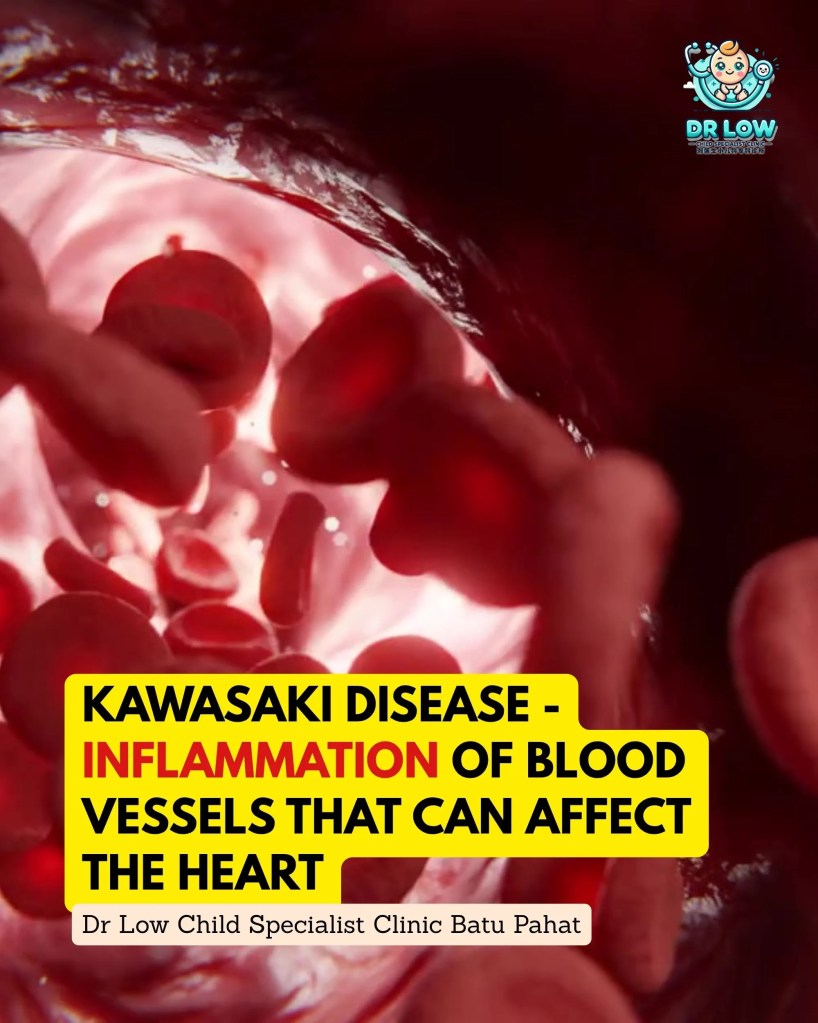
Kawasaki Disease is an acute illness that causes inflammation in small and medium-sized blood vessels, including the coronary arteries, which supply blood to the heart. This inflammation may affect the heart, skin, eyes, mouth, and lymph nodes.
Although the exact cause remains unknown, it is believed to involve an abnormal immune response possibly triggered by an infection.
Who Is Affected?
The disease most commonly affects infants and young children below the age of five, though it can occur in older children too. It tends to appear more frequently among Asian children, including those in Malaysia, which makes awareness among local parents crucial.

Symptoms to Watch For
Recognising the early symptoms of Kawasaki Disease can save a child from long-term complications. Common signs include:
- Fever lasting more than five days
- Red eyes without discharge
- Rash on the body
- Swollen hands and feet with peeling skin
- Cracked, red lips and strawberry tongue
- Swollen lymph nodes, usually in the neck
In the later phase, skin peeling may occur around the fingers and toes, and some children may develop irritability or joint pain.
Why Early Detection Matters
If left untreated, Kawasaki Disease can lead to serious heart complications, including coronary artery aneurysms. Timely medical attention is crucial.
At Dr Low Child Specialist Clinic Batu Pahat, we perform detailed physical assessments and, if Kawasaki Disease is suspected, we arrange blood tests and echocardiography (heart scan) to evaluate any involvement of the heart.

Treatment and Recovery
The standard treatment involves an intravenous infusion of IV Immunoglobulin (IVIG) and aspirin therapy. These help to reduce inflammation and prevent damage to the heart arteries.
In our clinic’s experience, children who receive early IVIG treatment often recover completely and return to normal activities within weeks.
During hospital admission—especially in more severe cases at Pantai Hospital Batu Pahat—continuous monitoring by the paediatric team ensures the child’s condition stabilises. Parents are guided on follow-up schedules to ensure full recovery.

Caring for the Child at Home
After discharge, parents should:
- Attend regular follow-up appointments
- Watch for recurring fever or new rashes
- Ensure medications are taken as prescribed
- Encourage a balanced diet and hydration
Emotional support is equally important. With early diagnosis and proper treatment, most children recover fully and live healthy, active lives.

Your Child’s Heart Health Matters
At Dr Low Child Specialist Clinic Batu Pahat, we are committed to helping families understand complex paediatric illnesses like Kawasaki Disease. Awareness, timely diagnosis, and professional treatment can make a life-changing difference.
If your child has prolonged fever or unusual symptoms, don’t delay—visit us for an expert paediatric assessment.

#DrLowChildSpecialistClinic #ChildSpecialistBatuPahat #KawasakiDisease #ChildDoctorBatuPahat #PantaiHospitalBatuPahat #PediatricianJohor #ChildClinicBatuPahat #ChildHealthAwareness #IVIGTreatment #KawasakiAwareness


