


4 Influenza A Cases Detected in One Day in Dr Low Child Specialist Clinic Batu Pahat – Protect Your Children During Flu Season with Prevention and Influenza Vaccination
Dr Low Child Specialist Clinic Batu Pahat – Child Doctor BP
Four children tested positive for Influenza A on the same day at Dr Low Child Specialist Clinic Batu Pahat, Johor. Learn about influenza symptoms in children, how the flu spreads, warning signs, prevention tips and why annual influenza vaccination is important for protecting your child and family.
4 Influenza A Cases Detected in One Day in Batu Pahat – Parents, Stay Alert During Flu Season!
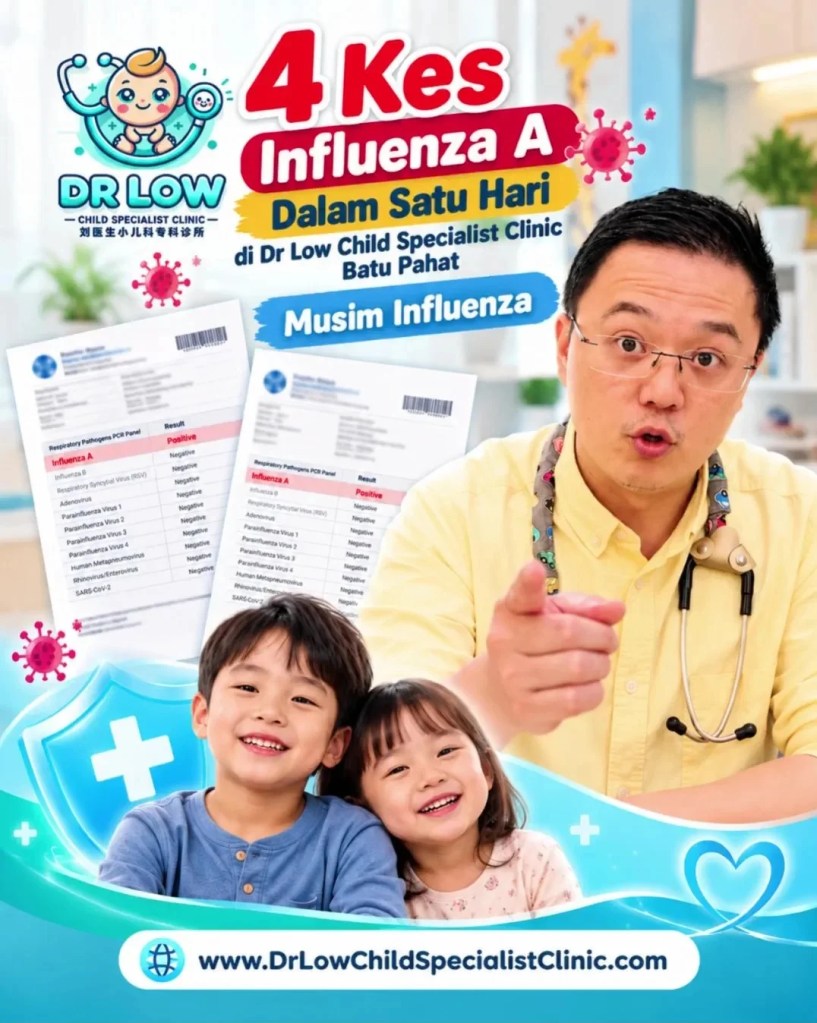
Four children tested positive for Influenza A in just one day!
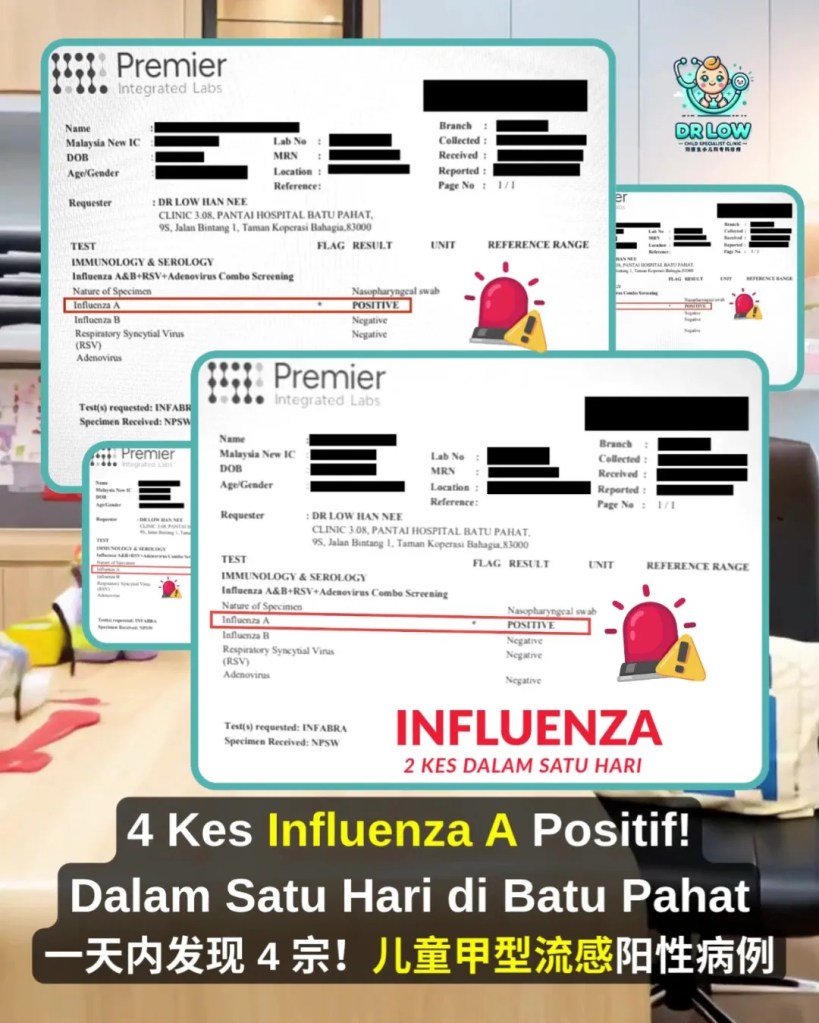
Recently, Dr Low Child Specialist Clinic Batu Pahat detected four cases of Influenza A among children on the same day, confirmed through laboratory testing.
Both test reports showed:
Influenza A: POSITIVE
Although detecting four cases in one day does not necessarily mean there is a widespread influenza outbreak in Batu Pahat, it is an important reminder for parents to remain alert.
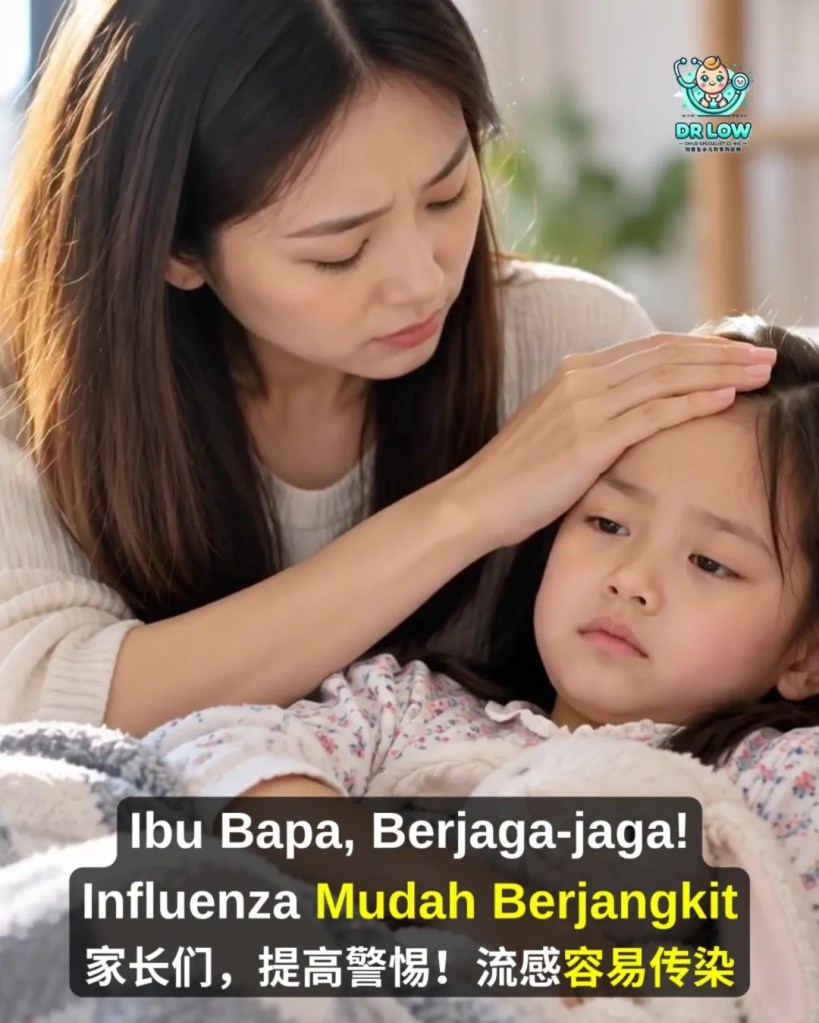
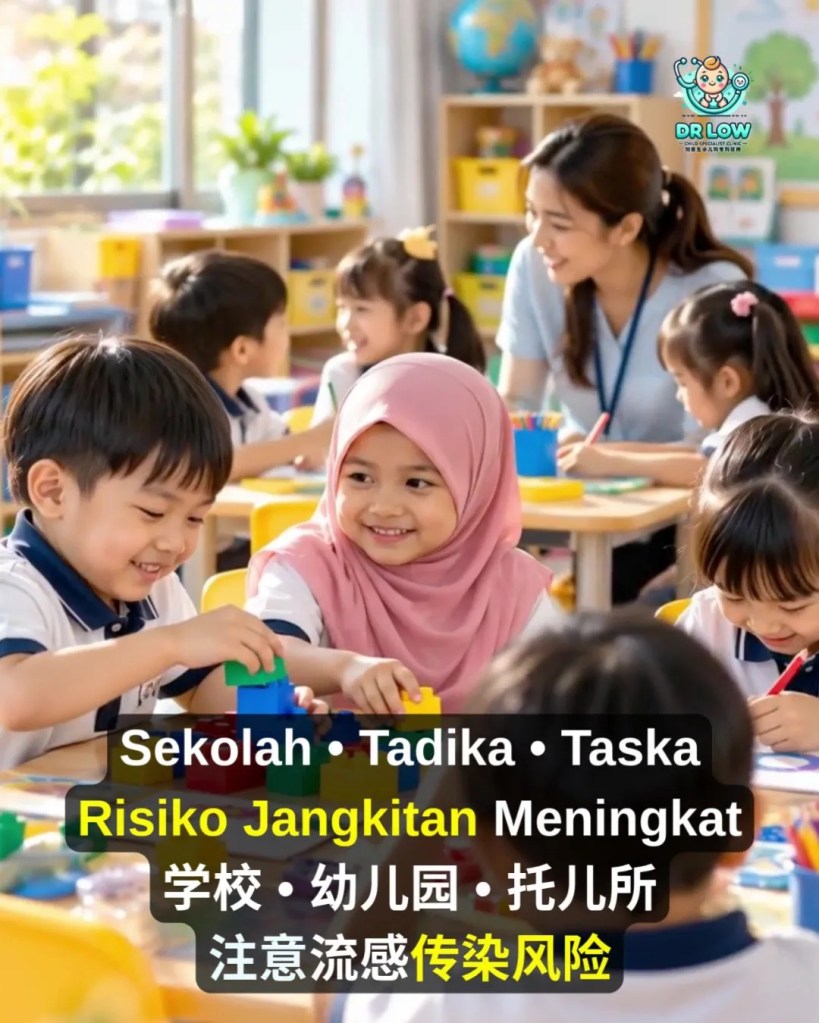
Influenza viruses can spread easily, especially among children attending childcare centres, kindergartens, schools and other group activities.
During flu season, parents should take extra precautions to protect their children and other family members.
Influenza is more than just a common cold.
Some children may develop high fever, persistent coughing, body aches, tiredness and, in certain cases, serious complications.
The good news is that parents can take practical steps to reduce the risk of infection.
Good hygiene, staying home when sick, recognising warning signs and annual influenza vaccination are important ways to help protect children.
What Is Influenza A?
Influenza A is a respiratory infection caused by the Influenza A virus.
It mainly affects the nose, throat and respiratory system, and sometimes the lungs.
Unlike a common cold, influenza symptoms often begin suddenly and may make a child feel significantly unwell.
For example, a child may appear healthy in the morning but develop fever, headache, body aches and tiredness later in the day.
However, not every child with influenza develops a high fever.
Some children may experience mild symptoms, while others may become more seriously ill.
This is why parents should monitor their child’s overall condition rather than relying only on body temperature.
What Are the Symptoms of Influenza A in Children?
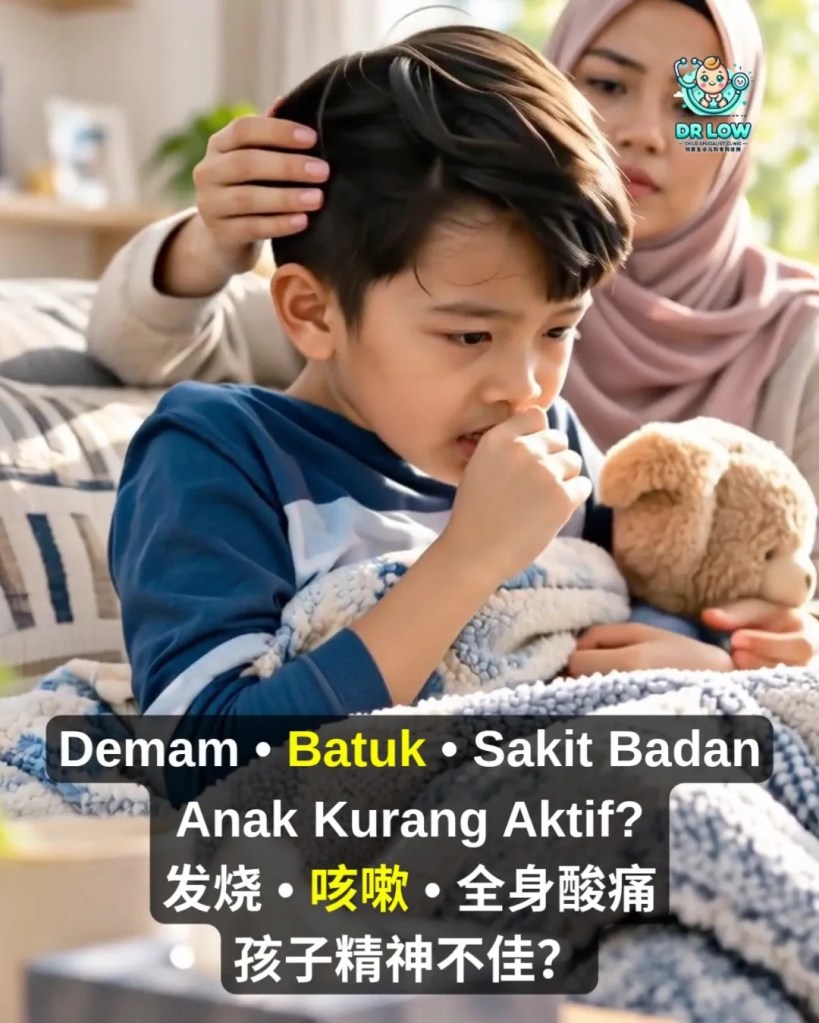
Children infected with Influenza A may experience several symptoms.
Common symptoms include:
- Fever: Sometimes a sudden high fever, although not every child develops one.
- Cough: A dry cough or cough accompanied by other respiratory symptoms.
- Sore throat: Children may complain of discomfort when swallowing.
- Runny or blocked nose: Symptoms that can resemble a common cold.
- Headache: Older children may complain of headaches.
- Muscle and body aches: Children may feel uncomfortable or unusually tired.
- Fatigue: A child may become less active and prefer resting.
- Loss of appetite: Children may eat or drink less than usual.
- Vomiting or diarrhoea: These symptoms can also occur, particularly in younger children.
Not every child will experience all these symptoms.
Some may recover without complications, while others may require medical attention.
If your child’s symptoms worsen or you are concerned about their condition, seek medical advice.
Why Does Influenza Spread Easily Among Children?
Imagine a child attending kindergarten while already experiencing coughing or sneezing.
During the day, the child plays with friends, participates in activities and shares indoor spaces with other children.
When someone infected with influenza coughs, sneezes, talks or breathes, respiratory droplets and small airborne particles containing the virus may spread to nearby people.
Influenza can also spread when contaminated hands touch the mouth, nose or eyes.
Children may not always remember to wash their hands or cover their mouths when coughing.
In crowded indoor environments with poor ventilation, the risk of transmission may increase.
Another important point is that people infected with influenza can sometimes spread the virus before they develop noticeable symptoms.
Therefore, prevention should begin before someone in the family becomes seriously ill.
Influenza A vs Common Cold: What Is the Difference?
Although influenza and the common cold share several symptoms, they are caused by different viruses.
| Symptoms | Influenza A | Common Cold |
|---|---|---|
| Onset | Often sudden | Usually gradual |
| Fever | Common, sometimes high | Less common or mild |
| Body aches | Often noticeable | Usually mild |
| Fatigue | Can be significant | Usually mild |
| Cough | Common | Common |
| Runny nose | Possible | Common |
| Complications | Can include pneumonia | Usually mild, but complications are possible |
| Vaccination | Influenza vaccine available | No single vaccine for all common cold viruses |
These are general differences only.
Influenza cannot be reliably diagnosed based on symptoms alone.
Depending on the child’s condition, a doctor may recommend an influenza test.
7 Important Ways to Prevent Influenza in Children
Parents can take several simple steps to help reduce influenza transmission at home, school and childcare centres.
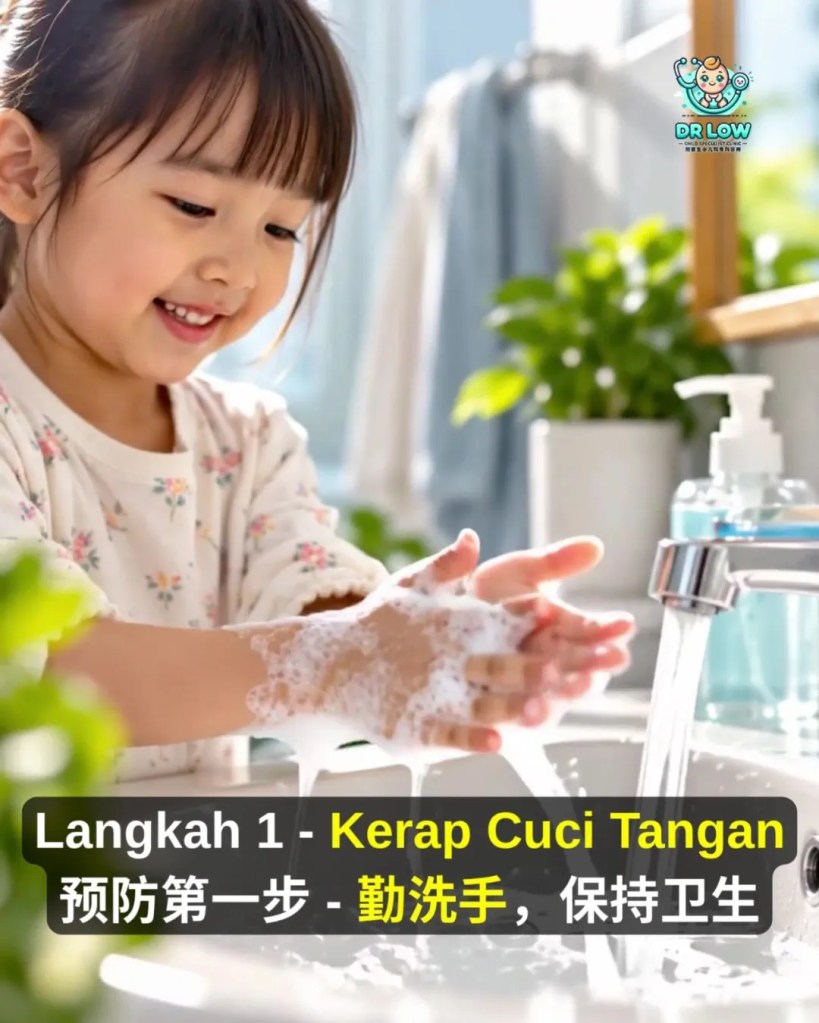
1. Encourage Regular Handwashing
Teach children to wash their hands with soap and water, especially before eating, after using the toilet and after coughing or sneezing.
When soap and water are unavailable, an appropriate alcohol-based hand sanitiser may be used with adult supervision.
2. Practise Proper Cough and Sneezing Etiquette
Encourage children to cover their mouth and nose with a tissue when coughing or sneezing.
If a tissue is unavailable, they can cough or sneeze into their elbow.
Used tissues should be disposed of immediately.
3. Avoid Close Contact with Sick Individuals
If someone at home is experiencing fever, coughing or other respiratory symptoms, try to reduce close contact with young children.
Appropriate mask use may also help reduce transmission in certain situations.
4. Avoid Sharing Personal Items
Teach children not to share drinking bottles, cups or eating utensils, particularly when someone is unwell.
5. Improve Indoor Ventilation
Good ventilation helps reduce the concentration of infectious respiratory particles indoors.
Where safe and practical, open windows or improve airflow in enclosed spaces.
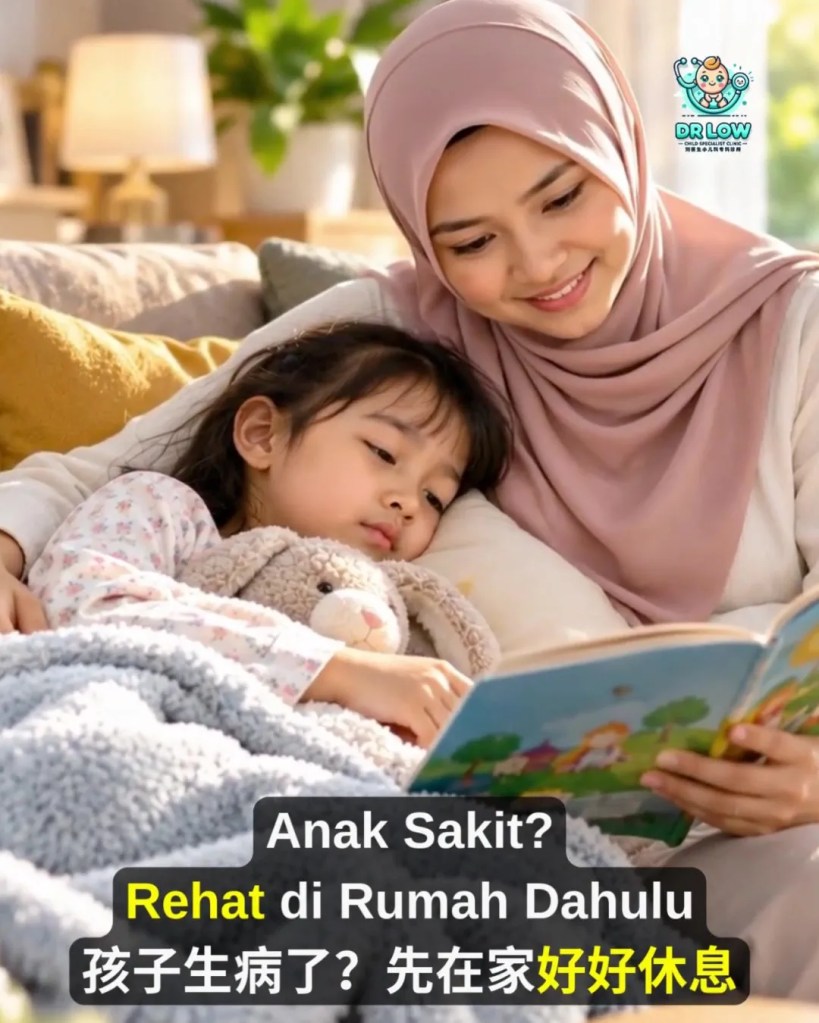
6. Keep Sick Children at Home
If your child has a fever or feels unwell, allow them to rest at home.
Generally, children can return to normal activities when their symptoms are improving and they have been fever-free for at least 24 hours without fever-reducing medication, while following applicable school or childcare guidance.
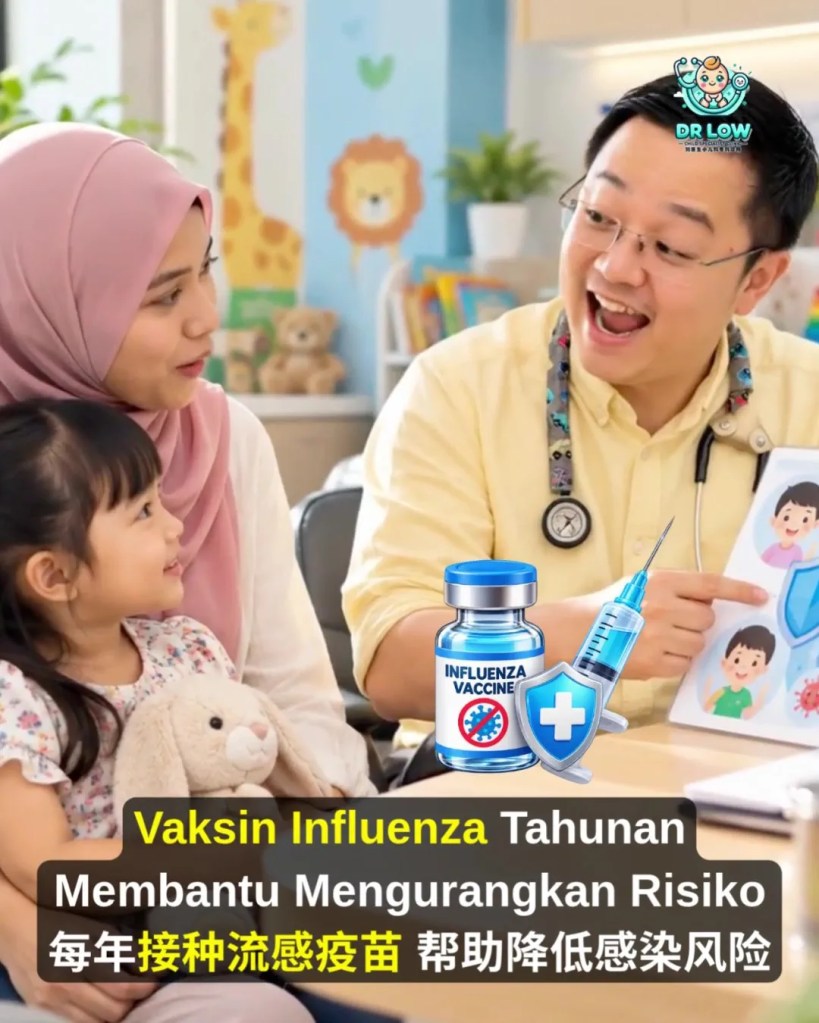
7. Consider Annual Influenza Vaccination
Annual influenza vaccination is an important preventive measure that helps reduce the risk of influenza and its complications.
Parents can consult a child specialist to determine the appropriate vaccination schedule.
Why Is Influenza Vaccination Important for Children?
Some parents may wonder:
“My child is healthy. Does my child still need an influenza vaccine?”
“My child received the flu vaccine last year. Is another dose necessary?”
“If my child is vaccinated, can they still catch influenza?”
These are important questions.
Influenza vaccination helps the immune system recognise and respond to influenza viruses.
Although vaccination does not provide 100% protection against infection, it can reduce the risk of influenza illness and serious complications.
For young children, prevention is particularly important because some are more vulnerable to severe influenza infections.
At What Age Can Children Receive the Influenza Vaccine?
In general, annual influenza vaccination is recommended for everyone aged 6 months and older, subject to individual medical considerations.
For some children aged 6 months through 8 years, two doses may be required depending on their previous influenza vaccination history.
When two doses are needed, they are generally given at least four weeks apart.
Parents should bring their child’s vaccination records when consulting a doctor.
Why Is the Influenza Vaccine Recommended Every Year?
Influenza viruses change over time.
The vaccine formulation is updated periodically to better match the influenza viruses expected to circulate.
In addition, immunity from previous vaccination can gradually decrease.
This is why annual influenza vaccination is generally recommended.
Receiving the flu vaccine last year does not necessarily mean your child is adequately protected this year.

Which Children Are at Higher Risk of Influenza Complications?
Although many children recover from influenza, certain groups have a higher risk of developing complications.
These include:
- Children younger than 5 years, especially those under 2 years old
- Children with asthma or chronic lung conditions
- Children with certain heart diseases
- Children with weakened immune systems
- Children with certain neurological conditions
- Children with other chronic medical conditions
Parents of children with existing health conditions should discuss appropriate preventive measures with their paediatrician.
When Should Parents Seek Medical Attention?
Most children with influenza recover with appropriate care.
However, parents should recognise warning signs that may indicate a more serious condition.
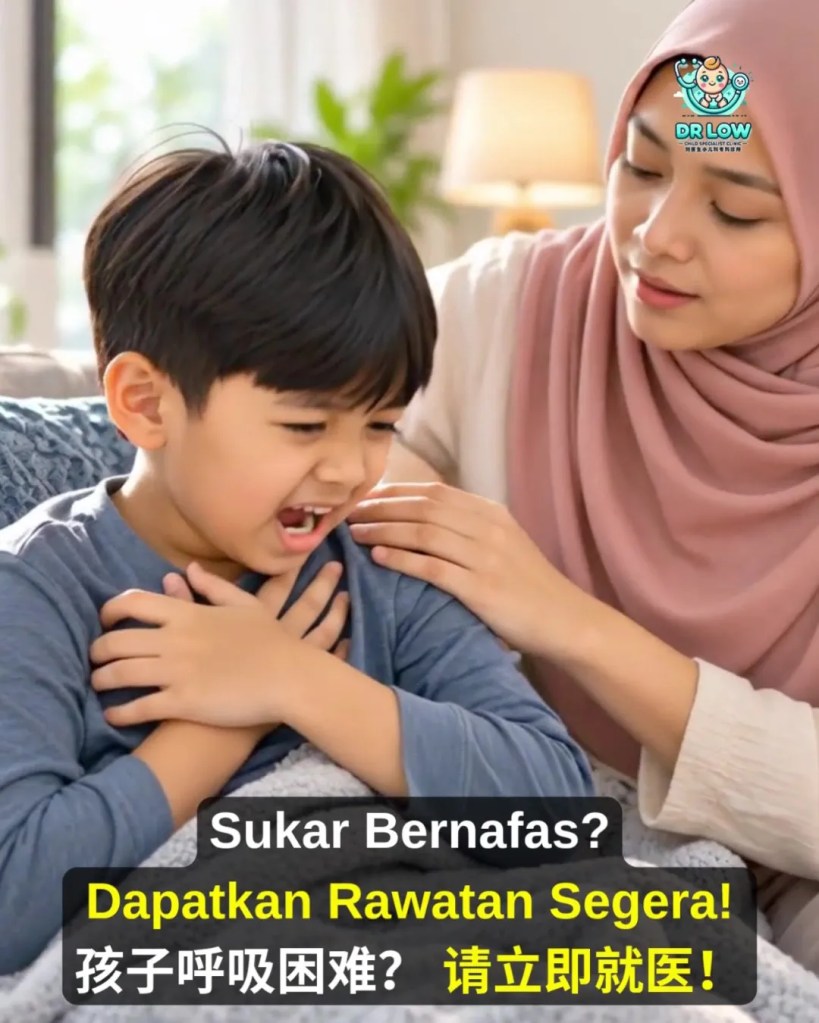
Seek urgent medical attention if your child experiences:
- Difficulty breathing or unusually fast breathing
- Bluish lips or face
- Severe weakness or difficulty waking up
- Seizures
- Signs of significant dehydration, such as very little urine
- Chest pain
- Fever or cough that improves but later returns or becomes worse
- Other severe or concerning symptoms
Important: Babies younger than 3 months with a temperature of 38°C or higher require prompt medical evaluation.
If your child appears seriously unwell, do not delay seeking medical attention.

Does Influenza A Require Antibiotics?
Not usually.
Influenza A is caused by a virus, while antibiotics are used to treat certain bacterial infections.
Therefore, antibiotics do not directly treat influenza.
However, some children may develop secondary bacterial infections that require antibiotics.
In certain situations, a doctor may prescribe antiviral medication to treat influenza.
The decision depends on the child’s age, medical history, severity of illness, risk factors and how long symptoms have been present.
Antiviral medication generally works best when started early, ideally within 48 hours after symptoms begin.
However, children with severe illness or a higher risk of complications may still benefit from antiviral treatment even after 48 hours.
Parents should avoid giving medication without appropriate medical advice.
What Should Parents Do If One Child Tests Positive for Influenza A?
When one child in the family is diagnosed with Influenza A, other family members may also be exposed.
Parents should take additional precautions to reduce household transmission.
Recommended steps include:
- Allow the sick child to rest and recover.
- Reduce close contact with other family members where possible.
- Encourage regular handwashing.
- Avoid sharing drinking bottles, cups and eating utensils.
- Maintain good indoor ventilation.
- Monitor siblings for fever, coughing and other symptoms.
- Take extra precautions around babies, pregnant women, elderly family members and people with chronic medical conditions.
If another family member develops symptoms, particularly someone at higher risk, seek medical advice promptly.

Influenza A Testing and Vaccination in Batu Pahat, Johor
If your child experiences fever, coughing, sore throat, runny nose, tiredness or other concerning symptoms, a paediatric assessment may help determine the next steps.
Dr Low Han Nee (刘汉尼医生) is a Consultant General Paediatrician providing child healthcare services at Pantai Hospital Batu Pahat, Johor.
Dr Low Child Specialist Clinic Batu Pahat provides paediatric healthcare for babies, children and adolescents, including general paediatric consultations, childhood illnesses, vaccinations, growth monitoring and developmental assessments.
For parents searching online for a Child Specialist Clinic Batu Pahat, Child Specialist Batu Pahat, Child Clinic Batu Pahat or Child Doctor Batu Pahat, the clinic provides medical consultations and guidance on children’s health.
Families searching for Child Doctor Near Me, Child Doctor Near By Batu Pahat, Child Specialist Clinic BP, Child Specialist BP, Child Clinic BP, Child Doctor BP or Child Doctor Near By BP can contact the clinic for enquiries about paediatric consultations and vaccination services.
Parents who wish to enquire about influenza vaccination can contact the clinic to check vaccine availability and appointment arrangements.
 FAQ
FAQFrequently Asked Questions (FAQ) About Influenza A in Children
Get quick answers to frequently asked questions about influenza in children.
Influenza A is a contagious respiratory infection caused by the Influenza A virus. It can cause fever, coughing, sore throat, headache, body aches and tiredness.
Yes. Influenza A spreads mainly through infectious respiratory droplets and particles, particularly during close contact with an infected person.
Many children begin to recover within several days to about one week. However, coughing and fatigue may last longer.
Yes. Not every child with influenza develops a high fever. Some children may have mild symptoms or no obvious fever.
No. A doctor will assess whether testing is necessary based on the child’s symptoms, risk factors and clinical condition.
Influenza vaccination is generally recommended from 6 months of age, subject to the suitability of the vaccine and medical advice.
Generally, yes. Annual vaccination is recommended because influenza viruses change and vaccine protection can decrease over time.
Yes. Influenza vaccination does not guarantee complete protection, but it helps reduce the risk of illness and serious complications.
No. Injectable influenza vaccines cannot cause influenza illness. Some children may experience temporary side effects such as soreness at the injection site, mild fever or tiredness.
Generally, yes. Previous infection does not necessarily protect against all influenza strains that may circulate in the future.
No. Influenza A and Respiratory Syncytial Virus (RSV) are different respiratory viruses. Both can cause coughing, fever and respiratory symptoms in children.
Parents can contact Dr Low Child Specialist Clinic Batu Pahat to enquire about influenza vaccination, appointment arrangements and children’s healthcare services.
A Friendly Reminder from Dr Low Child Specialist Clinic Batu Pahat
Four confirmed Influenza A cases in one day serve as an important reminder for parents to stay alert during flu season.
There is no need to panic, but prevention should not be overlooked.
Wash hands regularly. Practise proper cough etiquette. Keep sick children at home. Recognise warning signs. And consider annual influenza vaccination.
These simple steps can help reduce the spread of influenza and protect children, families and the wider community.
A healthy childhood begins with awareness, prevention and timely medical care.
💬 Parents in Batu Pahat, have you noticed more children experiencing fever, coughing or flu-like symptoms at your child’s school, kindergarten or childcare centre recently?
Feel free to share your observations in the comments. Your experience may help other parents become more aware of influenza prevention.
You can also share this article with friends and family to help spread awareness about children’s health during flu season.
Dr Low Child Specialist Clinic Batu Pahat
Caring for Your Child, Growing Bright Futures.
#InfluenzaA #InfluenzaChildren #InfluenzaBatuPahat #FluSeason #FluSeasonMalaysia #InfluenzaVaccine #FluVaccination #ChildhoodVaccination #FluPrevention #ChildHealth #ChildrensHealth #ChildFever #ChildCough #RespiratoryInfection #BatuPahat #Johor #ChildSpecialistBatuPahat #ChildSpecialistClinicBatuPahat #ChildClinicBatuPahat #ChildDoctorBatuPahat #ChildSpecialistBP #DrLowHanNee #DrLowChildSpecialistClinic #PantaiHospitalBatuPahat #PaediatricianBatuPahat


