RSV Infection in Babies and Children: Early Symptoms, Warning Signs, Treatment and Prevention | Dr Low Child Specialist Clinic Batu Pahat
Dr Low Child Specialist Clinic Batu Pahat – Child Doctor BP
Respiratory Syncytial Virus (RSV) is one of the most common viruses affecting the respiratory tract in babies and young children. While many children experience only mild cold-like symptoms, some infants—especially newborns and babies under six months of age—can develop severe breathing difficulties requiring hospitalisation. Learn about RSV symptoms, warning signs, treatment, prevention, and who is most at risk from Dr Low Han Nee, Consultant Paediatrician at Dr Low Child Specialist Clinic Batu Pahat, Johor.
RSV Infection in Babies and Children: What Every Parent Should Know
Hello everyone.
I am Dr Low Han Nee, Consultant Paediatrician from Dr Low Child Specialist Clinic Batu Pahat and Pantai Hospital Batu Pahat, Johor.
Today, I would like to share an important topic that every parent should know about — Respiratory Syncytial Virus (RSV).
Over the past few years, RSV has become a topic of increasing concern among parents because it is one of the leading causes of respiratory infections in babies and young children worldwide.
Many parents have heard about RSV, but questions such as these are still very common:
- Is RSV just another common cold?
- Why do some babies become seriously ill?
- When should I bring my child to the hospital?
- How can I reduce my baby’s risk of getting RSV?
Understanding RSV allows parents to recognise early warning signs and seek medical attention before the illness becomes severe.
This article aims to provide practical, evidence-based information to help parents protect their children and know when to seek professional medical care.
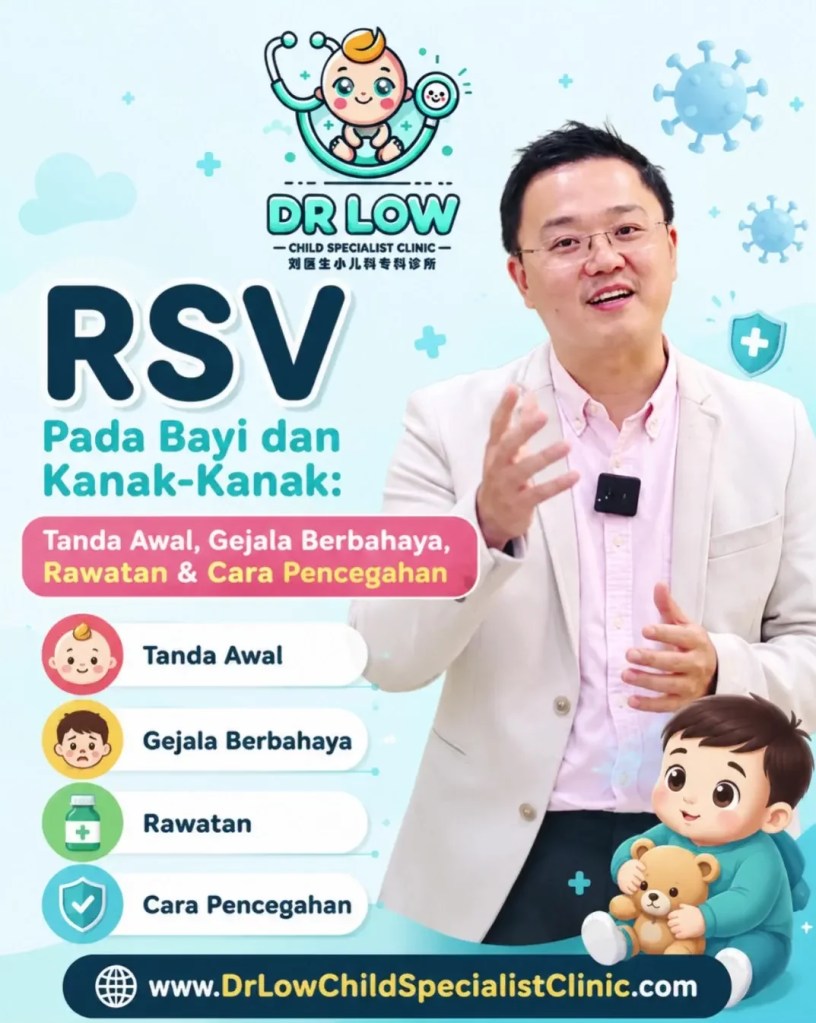
What is RSV?
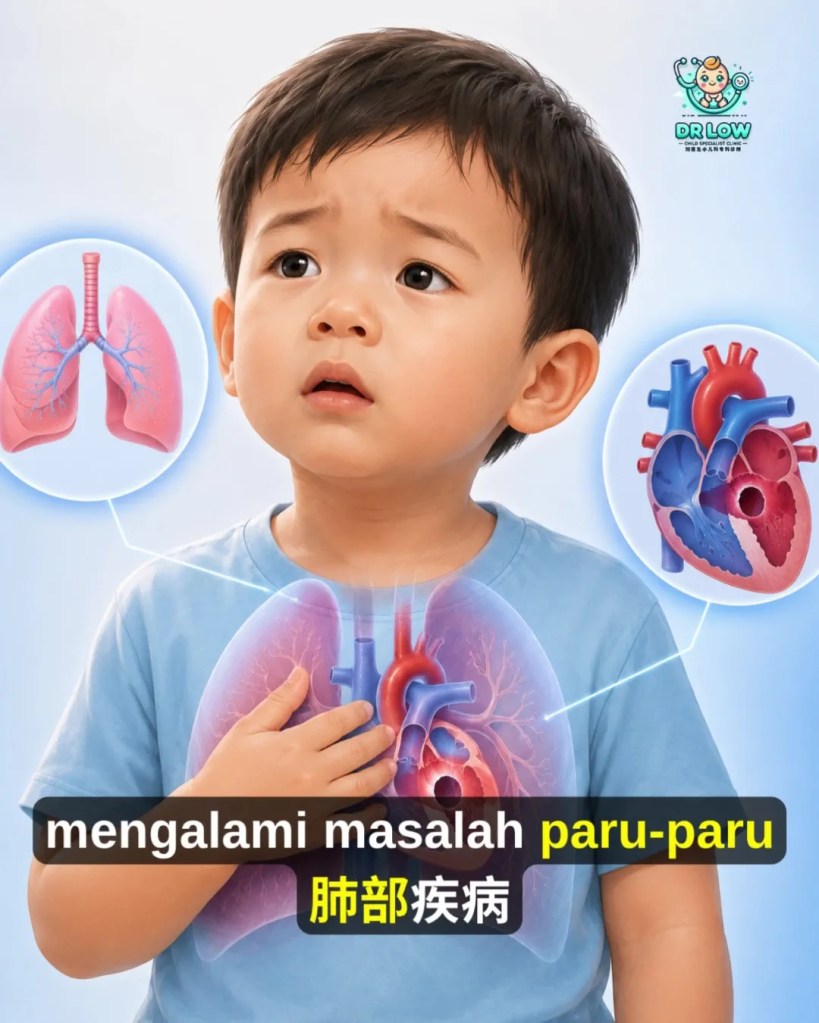
Respiratory Syncytial Virus (RSV) is a very common virus that infects the respiratory tract.
It mainly affects the:
- Nose
- Throat
- Airways (Bronchi)
- Small airways (Bronchioles)
- Lungs
RSV spreads very easily through:
- Coughing
- Sneezing
- Respiratory droplets
- Direct hand contact
- Contaminated toys
- Door handles
- Tables
- Milk bottles
- Pacifiers
- Other frequently touched surfaces
Almost every child will be infected with RSV at least once before reaching two years of age.
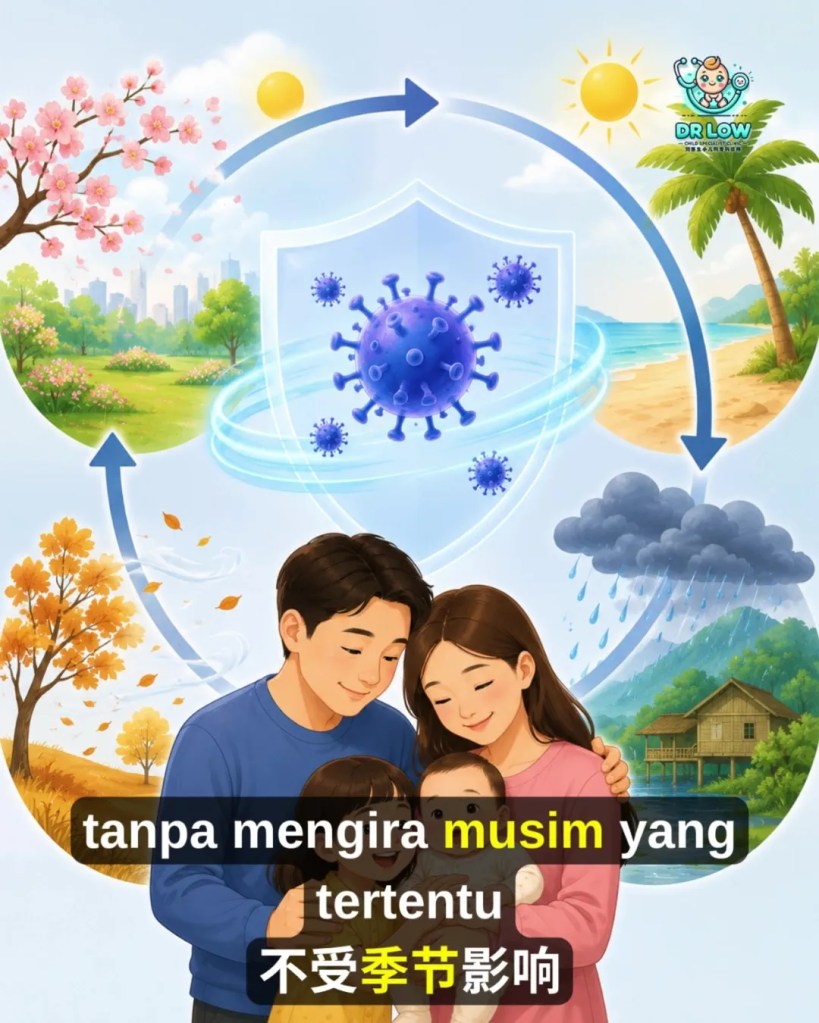
Unlike countries with four distinct seasons, Malaysia experiences RSV infections throughout the year, although cases may increase during certain periods.

Is RSV the Same as a Common Cold?
Not exactly.
In the early stages, RSV often looks very similar to a common cold.
Children may develop:
- Runny nose
- Sneezing
- Mild cough
- Low-grade fever
- Nasal congestion
Because these symptoms appear mild, many parents assume their child only has a simple viral cold.
However, in some babies—particularly newborns and young infants—the virus can spread deeper into the lungs and cause serious lower respiratory tract infections such as:
- Bronchiolitis
- Pneumonia
- Wheezing
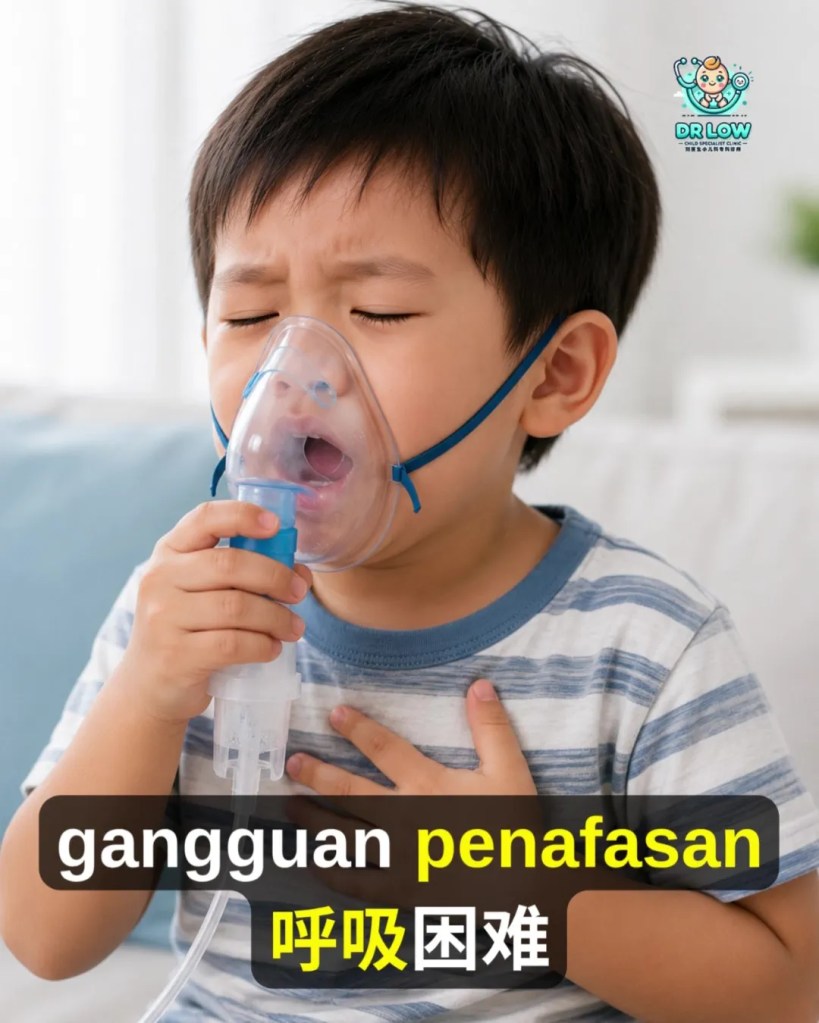
- Breathing difficulties
- Low oxygen levels
This is why RSV deserves special attention, especially during the first few months of life.

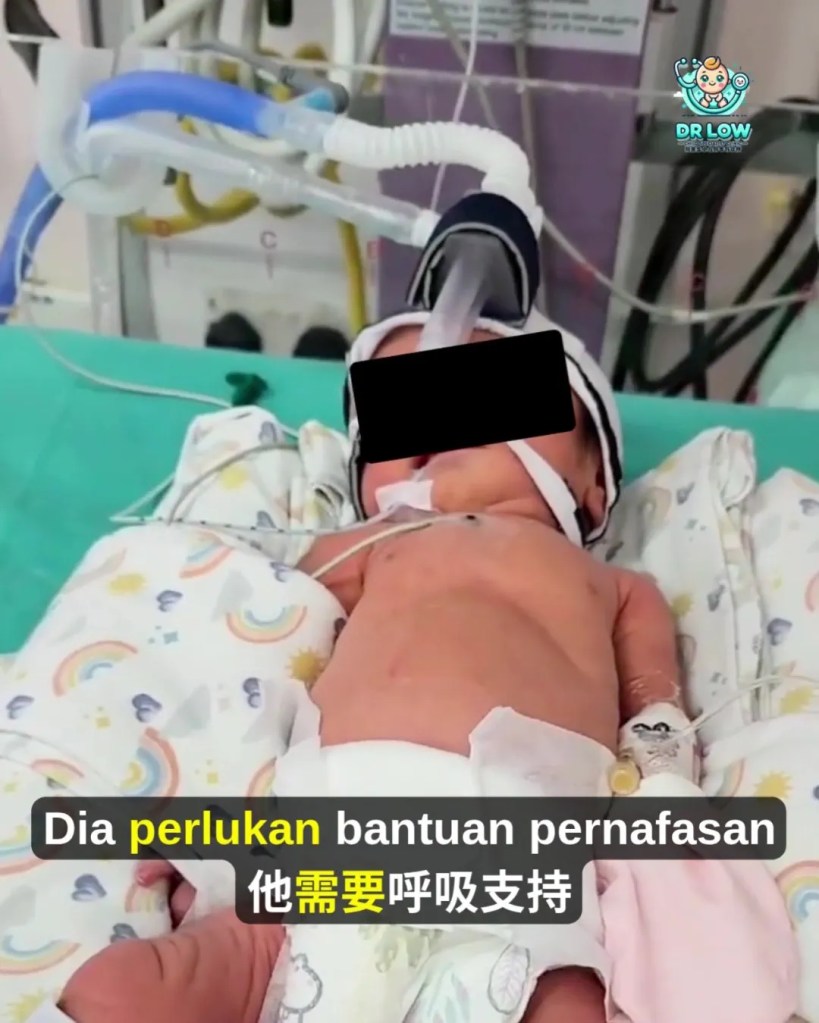
A Real Case: A 10-Day-Old Baby with RSV
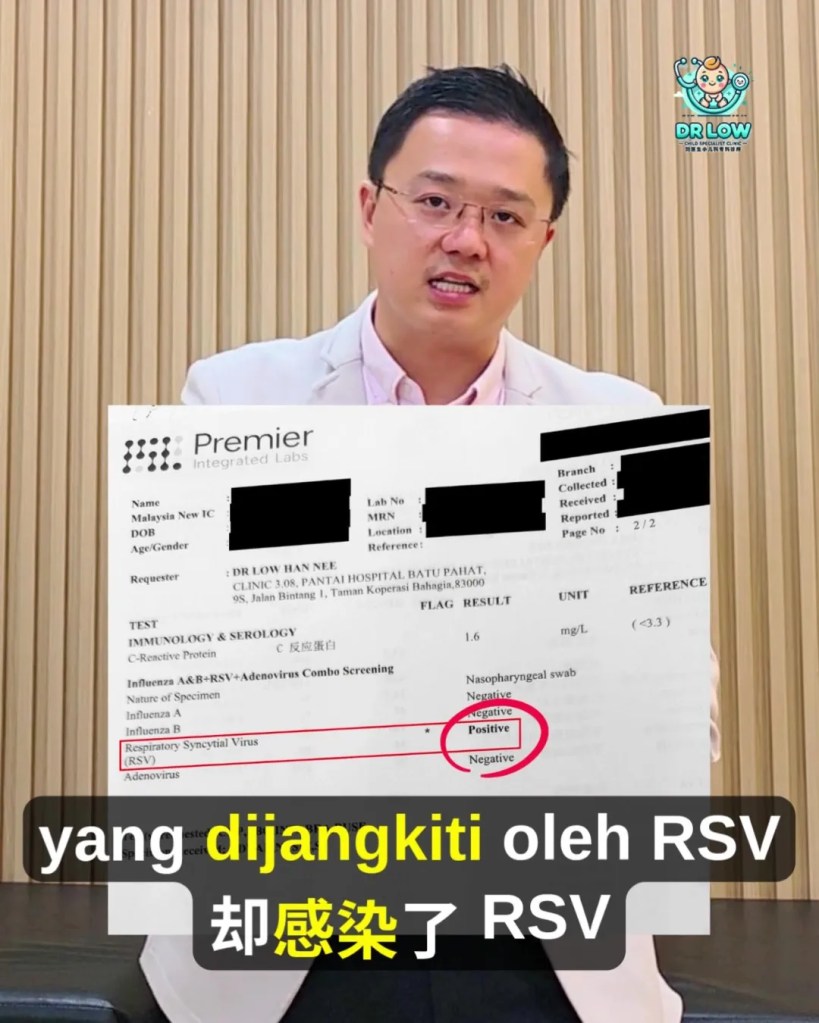
Recently, I treated a newborn baby who was only 10 days old.
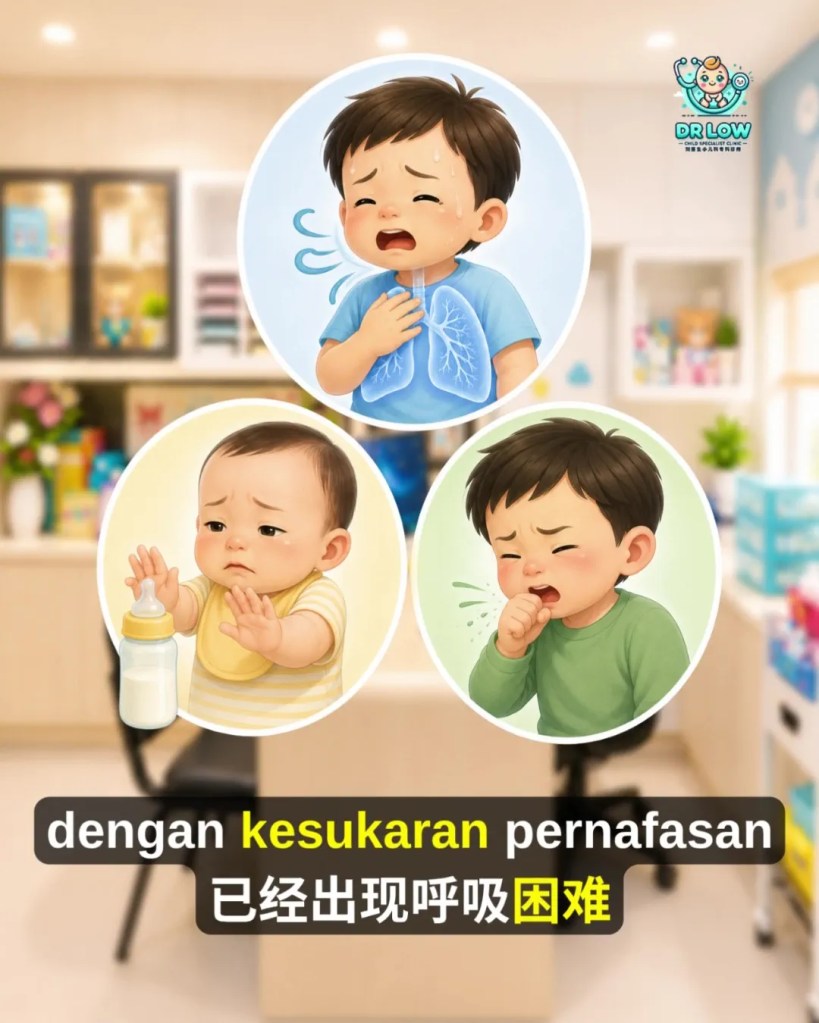
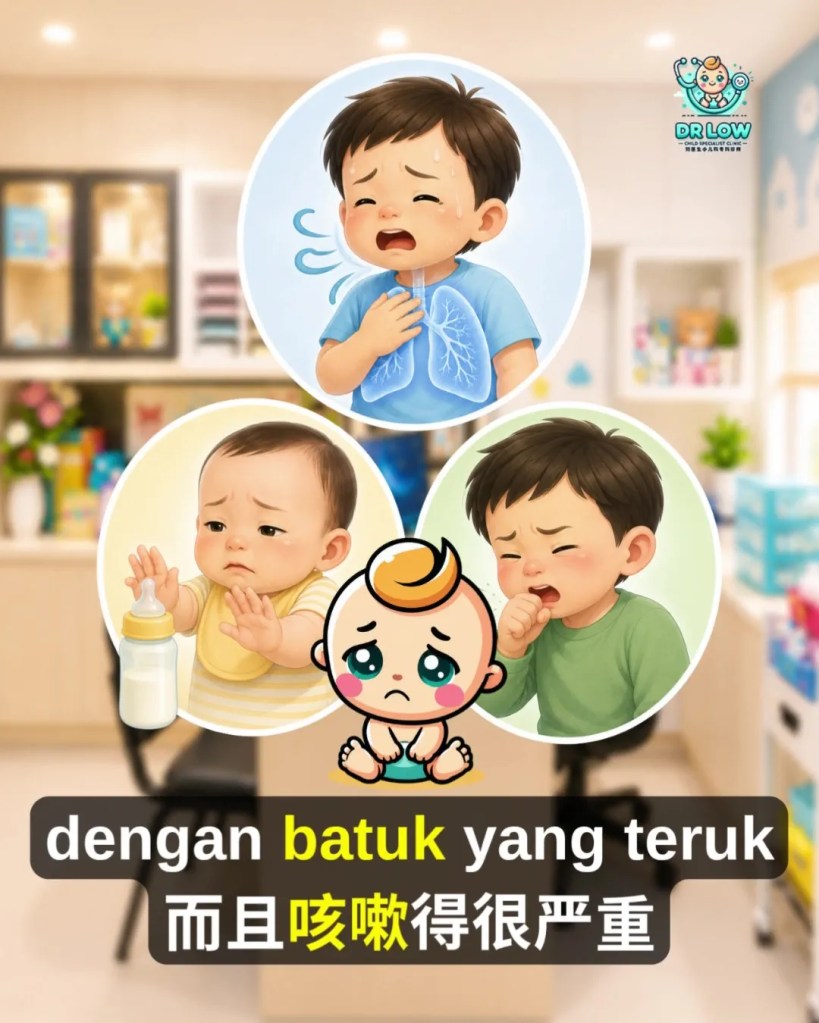
The baby was brought to the hospital because of:
- Severe coughing
- Difficulty breathing
- Poor feeding
- Increasing lethargy
After assessment, the baby was diagnosed with RSV infection.
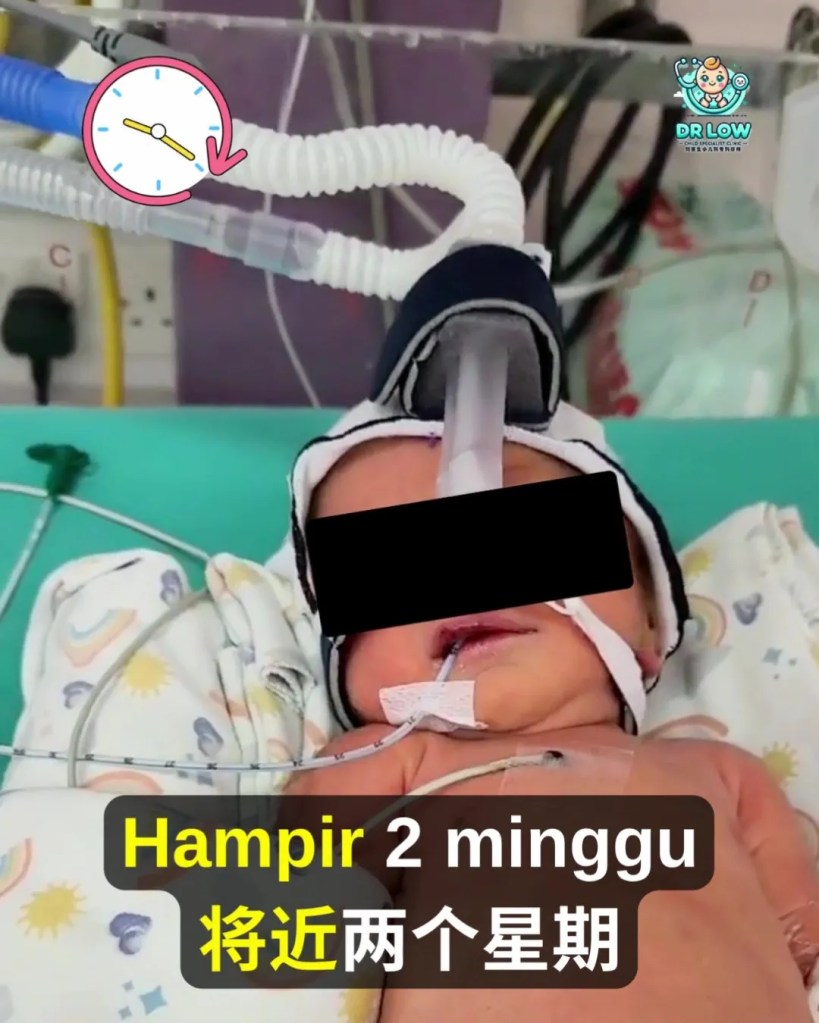
Due to worsening breathing problems, the baby required admission to the hospital for close monitoring and respiratory support.
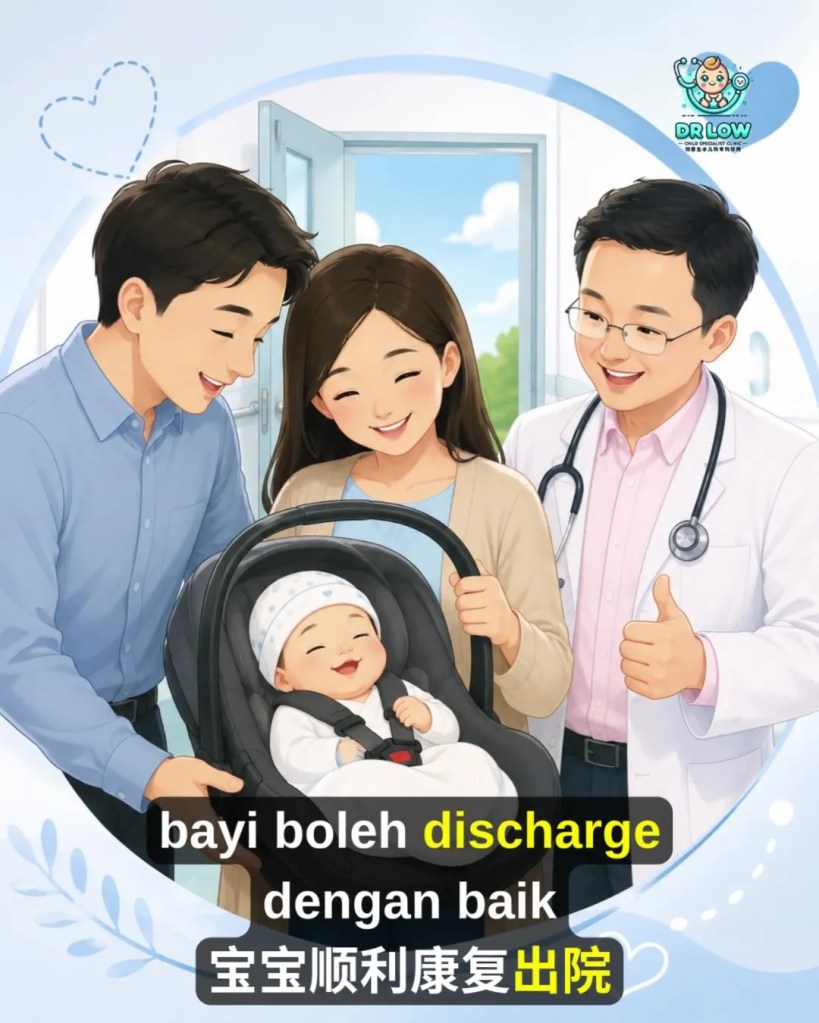
Fortunately, after receiving treatment for nearly two weeks, the baby’s condition gradually improved and was eventually discharged home safely.
This case reminds us that although RSV is common, it can become a serious illness in newborn babies.
Early recognition and prompt medical treatment can make a significant difference in recovery.
Who Is at Higher Risk of Severe RSV Infection?
Although RSV can affect people of all ages, certain groups are much more likely to develop severe complications.
1. Babies Under Six Months Old
Young infants have:
- Smaller airways
- Immature immune systems
- Less ability to fight viral infections
Even mild swelling inside the airways can significantly affect their breathing.
2. Premature Babies
Babies born prematurely often have lungs that are not fully developed.
As a result, RSV infection can lead to:
- More severe breathing problems
- Lower oxygen levels
- Longer hospital stays
Premature infants require particularly close monitoring if they become ill.
3. Children with Congenital Heart Disease
Children born with heart conditions, such as:
- Congenital heart defects
- Heart holes
- Structural heart abnormalities
have increased strain on both the heart and lungs.
RSV infection may significantly worsen their condition.
4. Children with Chronic Lung Disease
Children suffering from chronic lung conditions, including:
- Bronchopulmonary Dysplasia (BPD)
- Chronic lung disease of prematurity
- Certain severe respiratory disorders
may experience much more severe RSV symptoms because their lungs are already vulnerable.
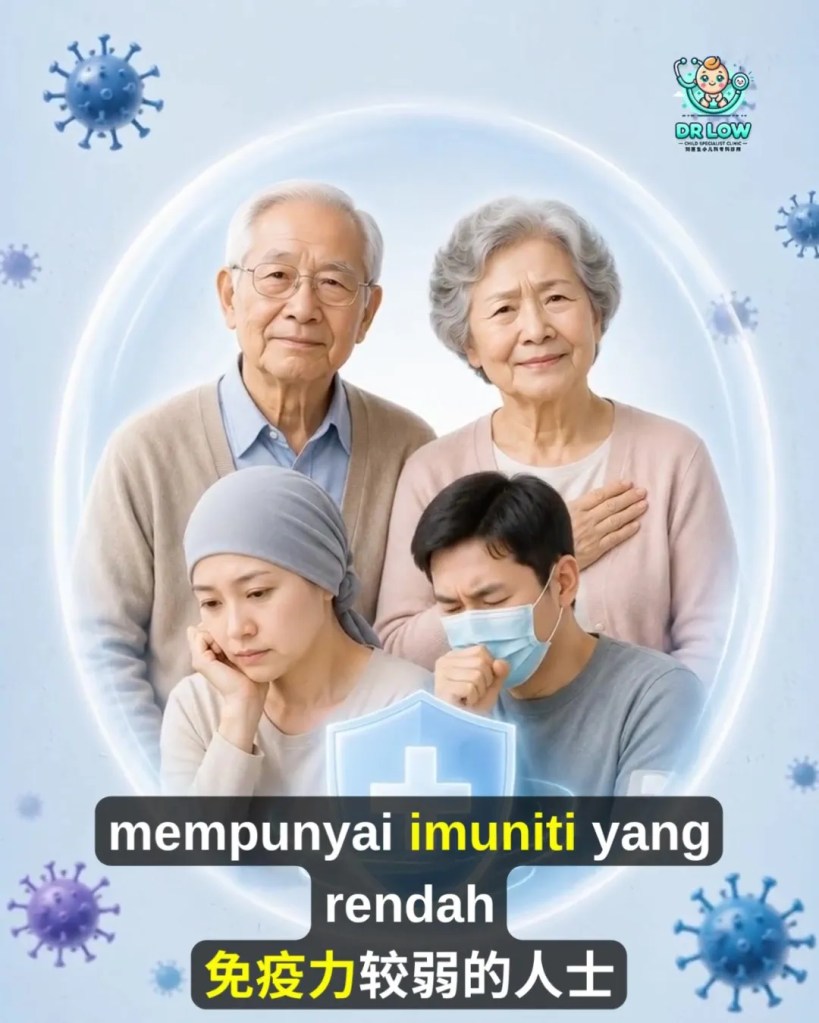
5. Individuals with Weakened Immune Systems
Children or adults with weakened immunity are also at higher risk.
Examples include:
- Cancer patients
- Organ transplant recipients
- Patients receiving chemotherapy
- Individuals taking immunosuppressive medications
These patients often take longer to recover and may develop more serious complications.
6. Older Adults
Although RSV is commonly associated with children, older adults can also become seriously ill.
RSV may lead to:
- Pneumonia
- Worsening chronic lung disease
- Hospitalisation
For this reason, RSV should not be considered only a childhood illness.
It is a virus that deserves attention across all age groups, particularly those with underlying medical conditions.
Why Parents Should Learn About RSV
Most children recover from RSV without complications.
However, for babies—especially newborns—the illness can progress rapidly over just a few hours or days.
Knowing the symptoms, recognising warning signs early, and seeking medical attention promptly can help prevent serious complications and improve recovery.
The good news is that there are many practical steps parents can take to reduce the risk of RSV infection, and understanding these measures is the first step in protecting your child.
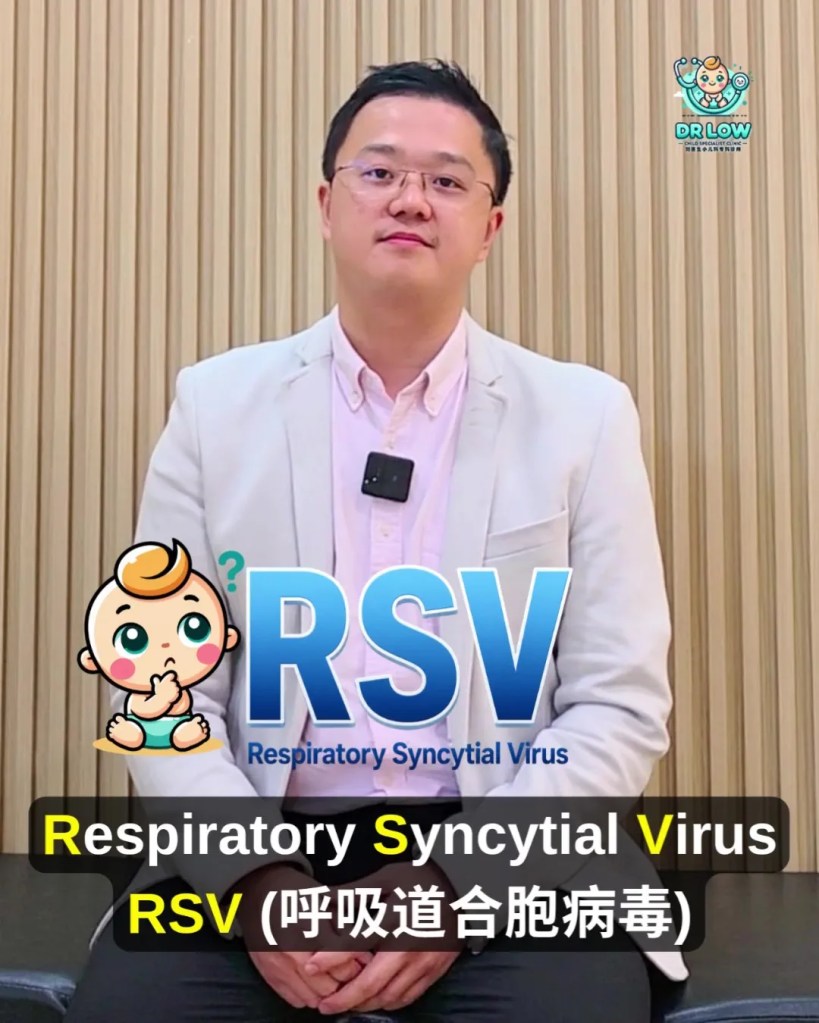
Common Symptoms of RSV Infection
The symptoms of Respiratory Syncytial Virus (RSV) can vary from mild to severe, depending on the child’s age, overall health, and whether they have any underlying medical conditions.
Older children often experience symptoms similar to a common cold, while babies—especially newborns—can become significantly sicker.
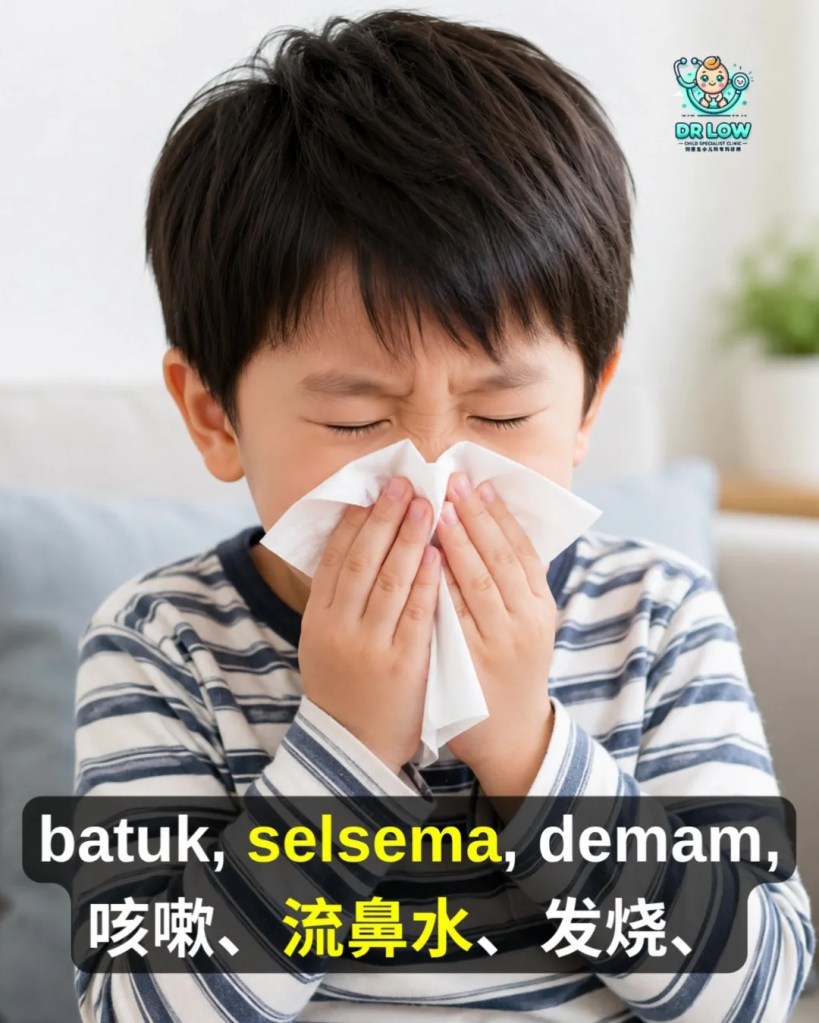
Common symptoms include:
- Persistent cough
- Runny nose
- Sneezing
- Fever (although some babies may not develop a fever)
- Nasal congestion
- Wheezing
- Fast breathing
- Reduced appetite
- Poor feeding in infants
- Irritability
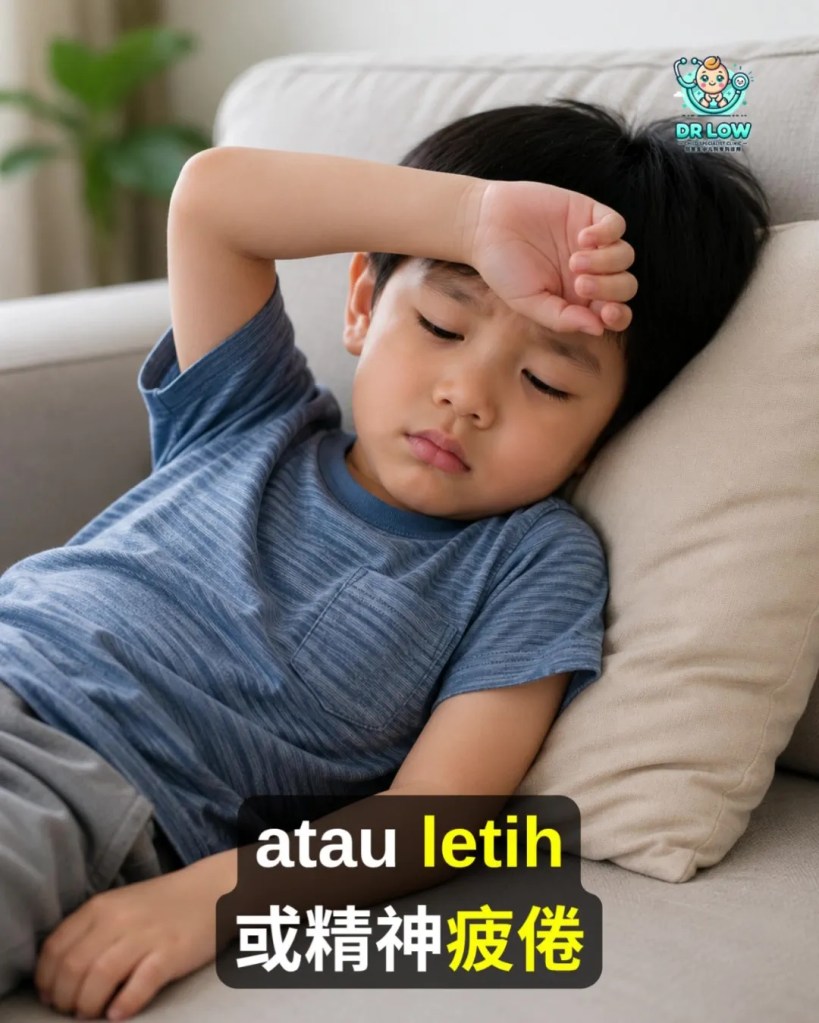
- Fatigue or unusual sleepiness
Many children begin with mild symptoms that gradually worsen over three to five days before slowly improving.
For this reason, parents should continue monitoring their child even if the illness initially appears mild.
Possible Complications of RSV
Although most children recover without long-term problems, RSV can sometimes lead to serious complications, particularly in infants and high-risk children.
Bronchiolitis
Bronchiolitis is the most common severe illness caused by RSV.
The virus causes inflammation and swelling of the tiny airways (bronchioles), making it difficult for air to move in and out of the lungs.
Symptoms may include:
- Rapid breathing
- Wheezing
- Chest retractions
- Difficulty feeding
- Increased work of breathing
Bronchiolitis is one of the leading reasons babies require hospital admission during RSV infection.
Pneumonia
RSV may spread deeper into the lungs and cause viral pneumonia.
Children with pneumonia may develop:
- Persistent fever
- Severe cough
- Difficulty breathing
- Low oxygen levels
- Extreme tiredness
Hospital treatment may be necessary depending on the severity of the infection.
Low Oxygen Levels (Hypoxaemia)
Inflammation in the lungs may reduce oxygen exchange.
Signs of low oxygen include:
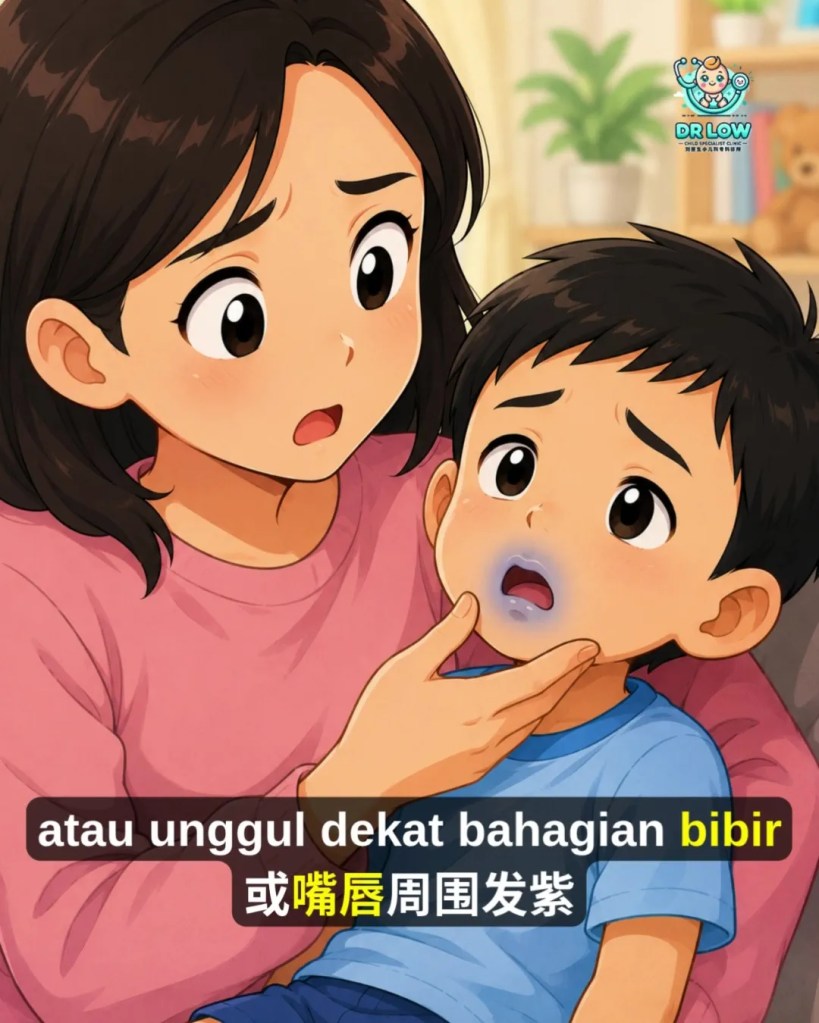
- Bluish lips
- Bluish fingertips
- Difficulty breathing
- Extreme lethargy
Low oxygen levels require immediate medical assessment.
Dehydration
Babies with RSV often feed poorly because breathing becomes difficult.
Poor milk intake combined with fever can quickly lead to dehydration.
Parents should monitor:
- Wet diapers
- Milk intake
- Urine output
- Tear production
- Alertness
When Should Parents Seek Medical Attention Immediately?
One of the most important questions parents ask is:
“How do I know when my child needs urgent medical care?”
If your child develops any of the following warning signs, medical attention should be sought immediately.
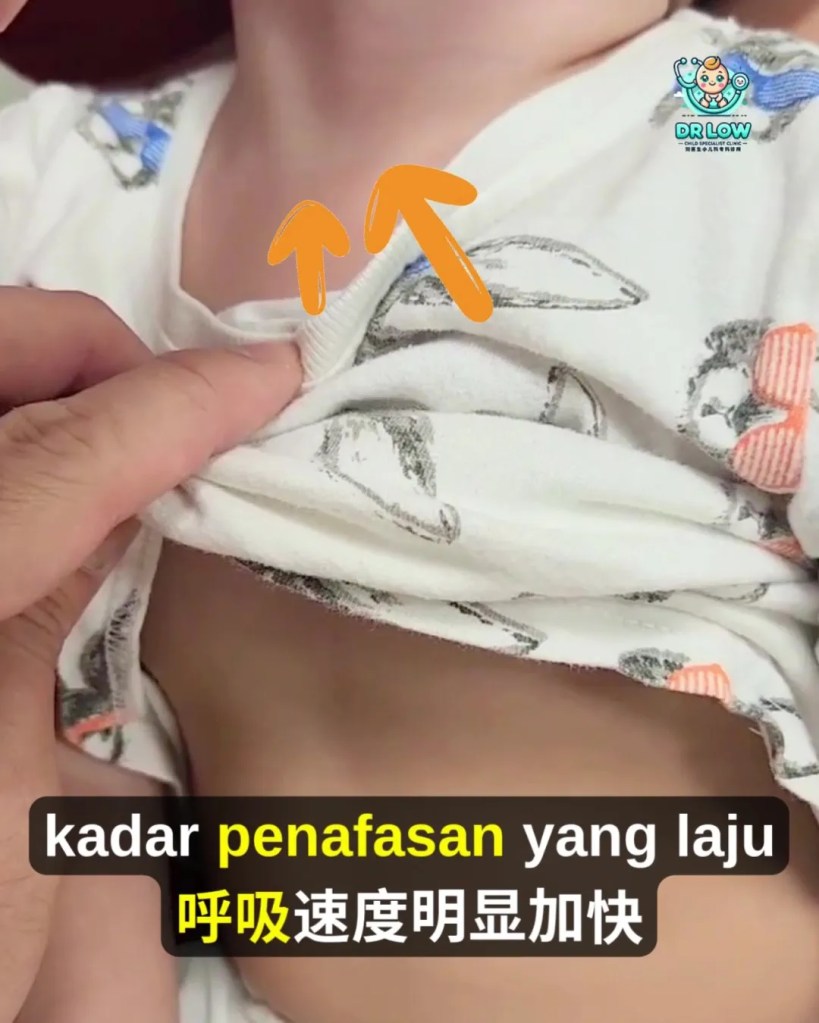
1. Rapid Breathing
Breathing much faster than usual may indicate that your child’s lungs are struggling.
Fast breathing is one of the earliest warning signs of serious RSV infection.
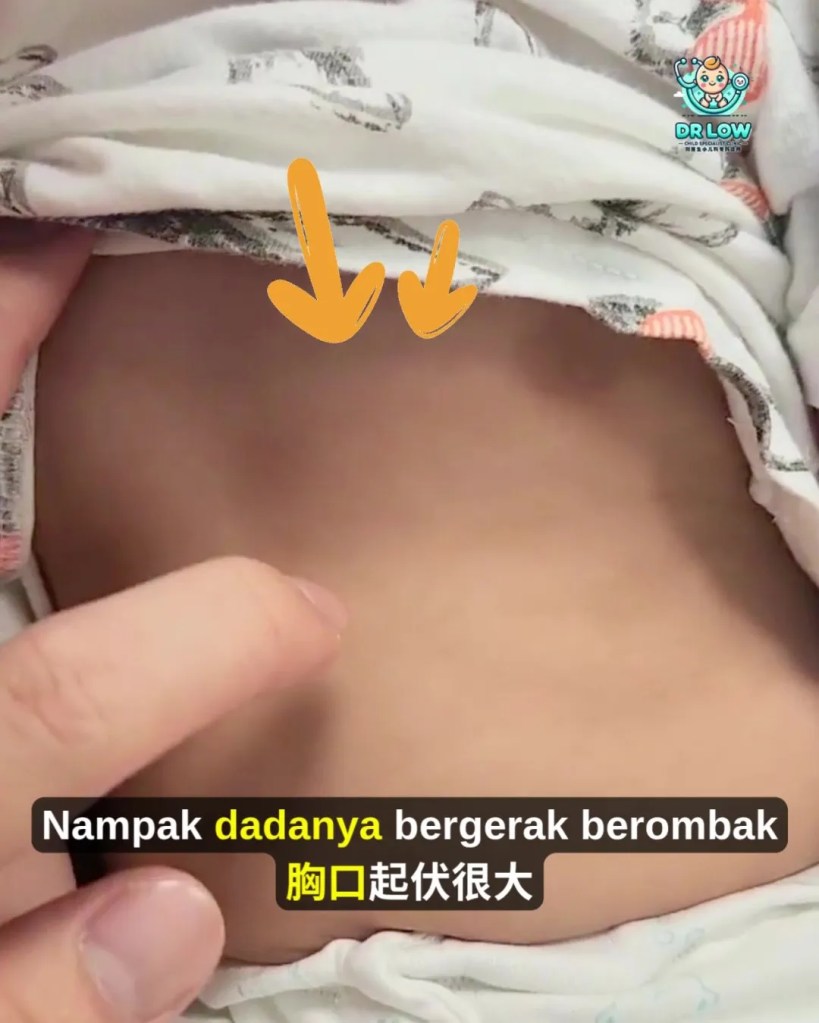
2. Chest Retractions
Watch your child’s chest carefully while breathing.
Seek medical attention if you notice:
- The skin pulling in between the ribs
- The area below the ribs sinking inward
- The area above the collarbone pulling inward
- The chest moving dramatically with each breath
Chest retractions indicate increased effort to breathe and should never be ignored.
3. Blue Lips or Bluish Skin
Blue lips, tongue, or fingertips suggest low oxygen levels.
This is considered a medical emergency.
Your child should be assessed immediately.
4. Poor Feeding
For newborns and young babies, poor feeding can quickly become dangerous.
Seek medical advice if your baby:
- Refuses milk repeatedly
- Drinks much less than usual
- Falls asleep while feeding because of breathing difficulty
- Produces significantly fewer wet diapers
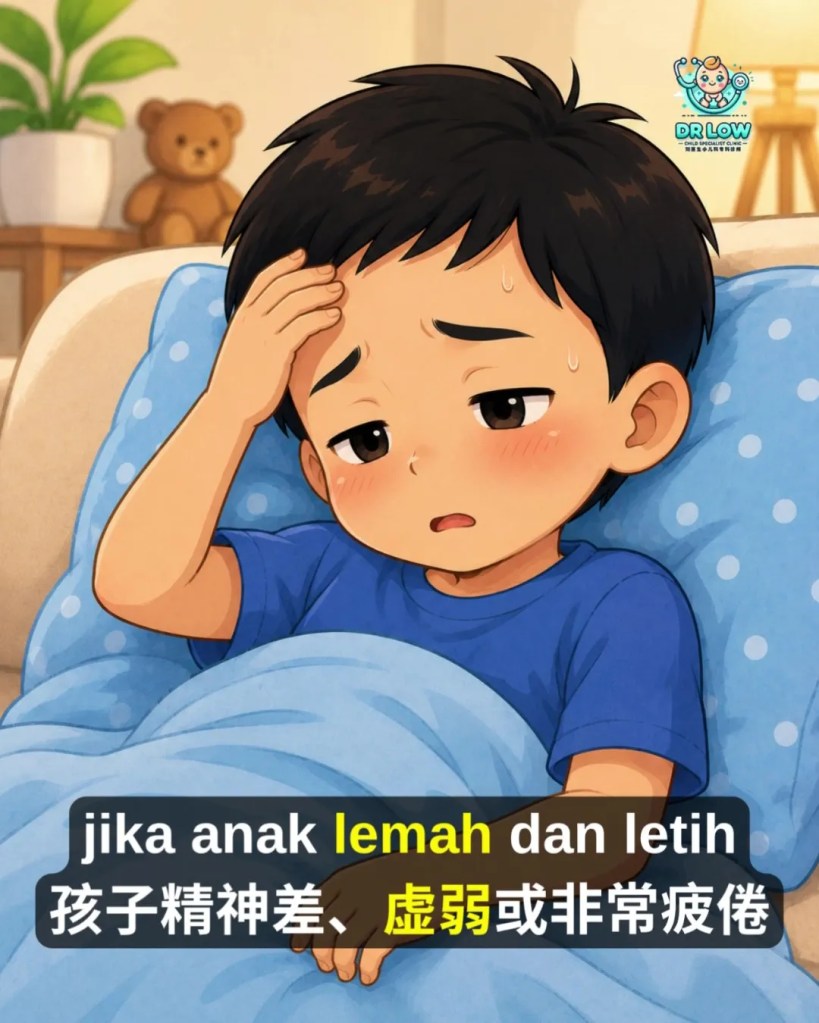
5. Extreme Sleepiness or Weakness
Parents know their children best.
If your child appears:
- Difficult to wake
- Unusually sleepy
- Less responsive
- Very weak
- Not interested in feeding or playing
medical assessment should not be delayed.
6. Worsening Symptoms
Even if your child has already seen a doctor, return immediately if symptoms become worse, including:
- Increasing cough
- Worsening breathing difficulty
- Persistent fever
- Reduced activity
- Poor feeding
Children can deteriorate quickly, particularly during the first week of RSV infection.
How Do Doctors Diagnose RSV?
Many parents ask whether every child requires an RSV test.
The answer is not necessarily.
Doctors diagnose RSV based on:
- Age
- Medical history
- Symptoms
- Physical examination
- Severity of illness
Additional investigations are performed only when clinically indicated.
Physical Examination
The doctor will assess:
- Breathing rate
- Oxygen levels
- Chest movements
- Lung sounds
- Hydration status
- Feeding ability
- General activity level
A careful clinical examination often provides valuable information about the severity of the illness.
Pulse Oximetry
A small sensor placed on the finger or foot measures oxygen saturation.
Children with low oxygen levels may require:
- Oxygen therapy
- Hospital admission
- Closer monitoring
RSV Rapid Test
In some cases, a nasal swab may be performed to confirm RSV infection.
However, not every child requires laboratory confirmation because management is usually based on clinical assessment rather than the test result alone.
Blood Tests
Blood tests may be considered if doctors suspect:
- A bacterial infection
- Severe illness
- Other medical conditions requiring investigation
Chest X-ray
A chest X-ray is not routinely required.
However, it may be recommended if there is concern about:
- Pneumonia
- Severe breathing difficulty
- Persistent low oxygen levels
- Other lung complications
How Is RSV Treated?
Currently, there is no specific antiviral medication that cures RSV in most otherwise healthy children.
Treatment focuses on supporting the child while the body’s immune system clears the virus.
The type of treatment depends on the severity of the illness.
Mild RSV Infection
Most children with mild RSV can recover safely at home.
Parents should ensure:
- Adequate fluids
- Regular milk feeding for infants
- Plenty of rest
- Fever management if necessary
- Close observation of breathing
- Follow-up with a doctor if symptoms worsen
Recovery usually occurs within one to two weeks.
Moderate to Severe RSV Infection
Children with more severe illness may require hospital treatment.
Hospital care may include:
- Oxygen therapy
- Respiratory support
- Intravenous fluids if feeding is inadequate
- Continuous oxygen monitoring
- Close observation in the paediatric ward
- Intensive care support for critically ill children
The treatment plan is individualised according to the child’s condition and response to therapy.
Why Don’t Antibiotics Treat RSV?
This is one of the most frequently asked questions.
The answer is simple:
RSV is caused by a virus, not bacteria.
Antibiotics are effective only against bacterial infections.
Therefore, antibiotics will not cure RSV.
Doctors will only prescribe antibiotics if there is evidence that the child has developed a secondary bacterial infection, such as:
- Bacterial pneumonia
- Ear infection (otitis media)
- Other confirmed bacterial illnesses
Using antibiotics unnecessarily does not speed recovery and may contribute to antibiotic resistance, which is why they should only be taken when prescribed by a healthcare professional.
How Does RSV Spread?
Respiratory Syncytial Virus (RSV) is highly contagious and spreads easily, particularly among babies and young children.
RSV can spread in homes, childcare centres, nurseries, schools, playgrounds, hospitals, and any place where people are in close contact.
The virus spreads mainly through several routes.
1. Respiratory Droplets
When an infected person:
- Coughs
- Sneezes
- Talks
- Laughs
tiny respiratory droplets containing RSV are released into the air.
People nearby may inhale these droplets and become infected.
2. Direct Contact
RSV can spread through direct physical contact.
For example:
- Shaking hands
- Hugging
- Holding a baby after touching contaminated surfaces
- Kissing a baby while having cold symptoms
Parents, siblings, grandparents, caregivers, and visitors can unknowingly transmit RSV to young infants.
3. Contaminated Surfaces
One reason RSV spreads so easily is that the virus can survive on surfaces for several hours.
Common examples include:
- Toys
- Milk bottles
- Pacifiers
- Door handles
- Dining tables
- Mobile phones
- Tablets
- Remote controls
- Baby strollers
If a child touches these contaminated objects and then rubs their eyes, nose, or mouth, infection can occur.
Can Adults Get RSV?
Yes.
Many adults become infected with RSV every year.
Fortunately, healthy adults usually experience only mild cold-like symptoms, such as:
- Runny nose
- Mild cough
- Sore throat
- Sneezing
Because the illness is often mild, many adults do not realise they are carrying RSV.
Unfortunately, they may unknowingly pass the virus to:
- Newborn babies
- Young infants
- Premature babies
- Older adults
- Individuals with weakened immune systems
This is why anyone with cold symptoms should avoid close contact with newborns whenever possible.
How Can Parents Reduce the Risk of RSV?
Although RSV cannot always be prevented completely, several simple preventive measures can significantly reduce the risk of infection.
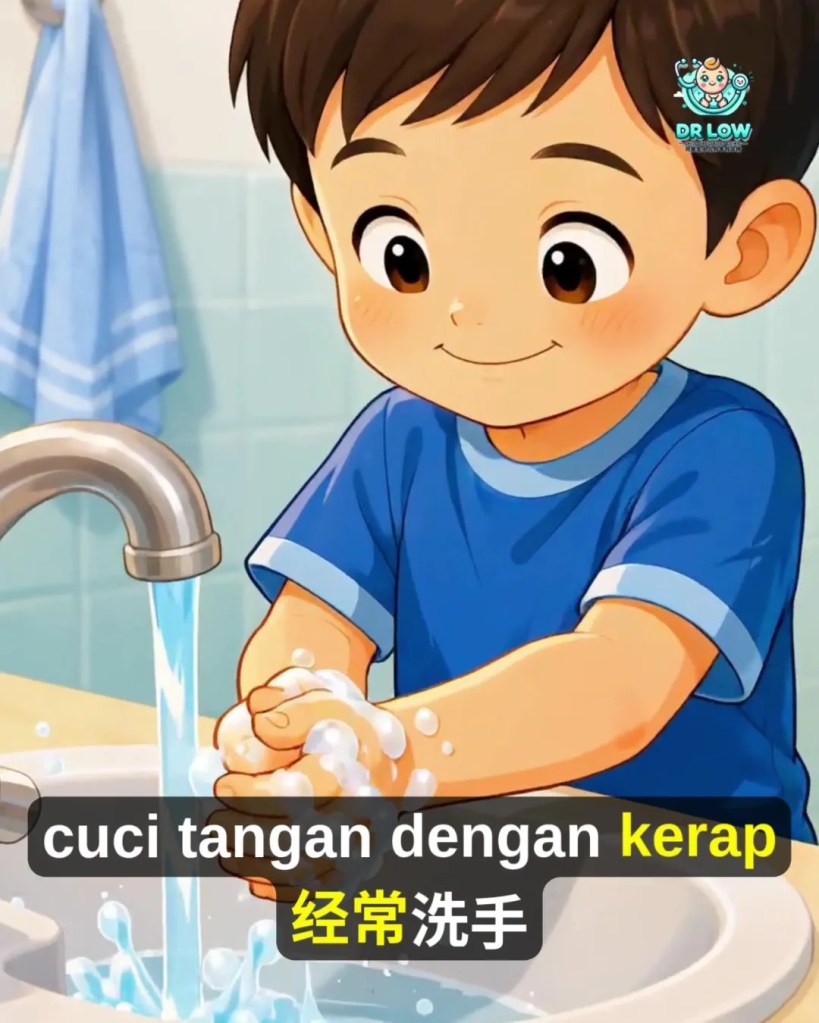
1. Wash Hands Frequently
Hand hygiene remains one of the most effective ways to prevent RSV transmission.
Parents, caregivers, siblings, grandparents, and visitors should wash their hands thoroughly with soap and water for at least 20 seconds before touching a baby.
If soap and water are unavailable, an alcohol-based hand sanitiser is a good alternative.
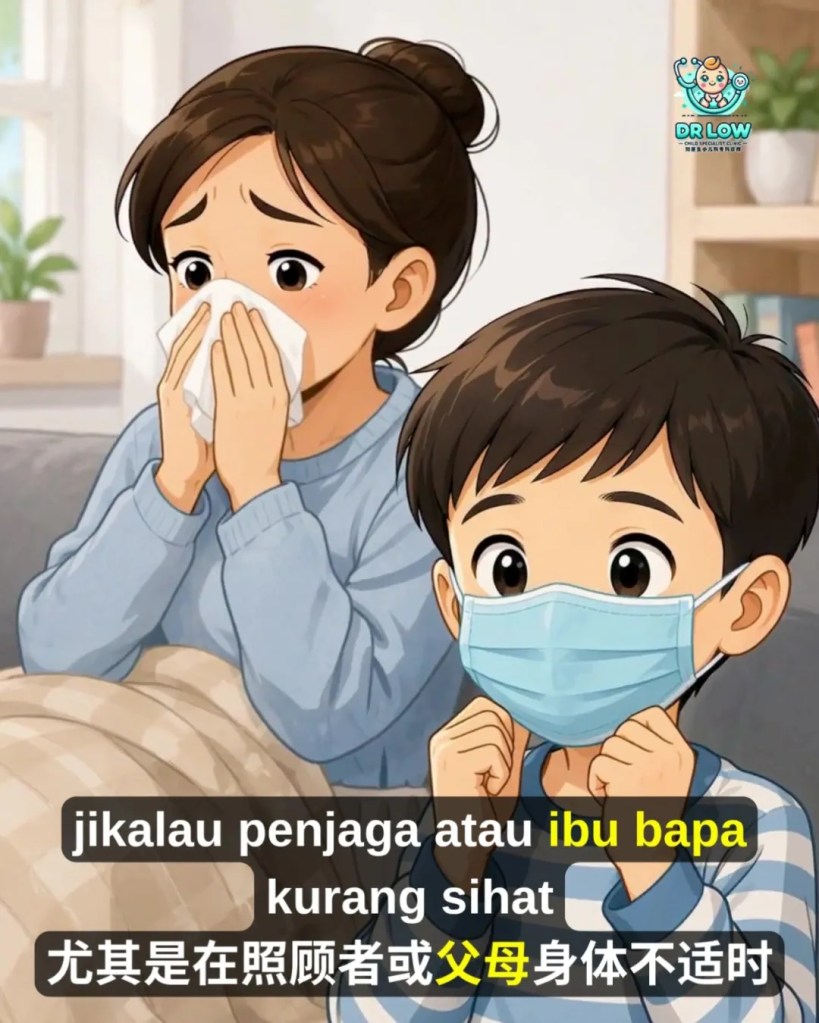
2. Wear a Face Mask When Unwell
If you have symptoms such as:
- Cough
- Runny nose
- Fever
- Sore throat
wearing a face mask while caring for a baby can help reduce the spread of respiratory droplets.
This is especially important during the newborn period.
3. Avoid Kissing Newborn Babies
Many family members naturally want to kiss and cuddle newborn babies.
However, even mild cold symptoms may actually be caused by RSV or another respiratory virus.
Avoid kissing babies on the face or hands if you are feeling unwell.
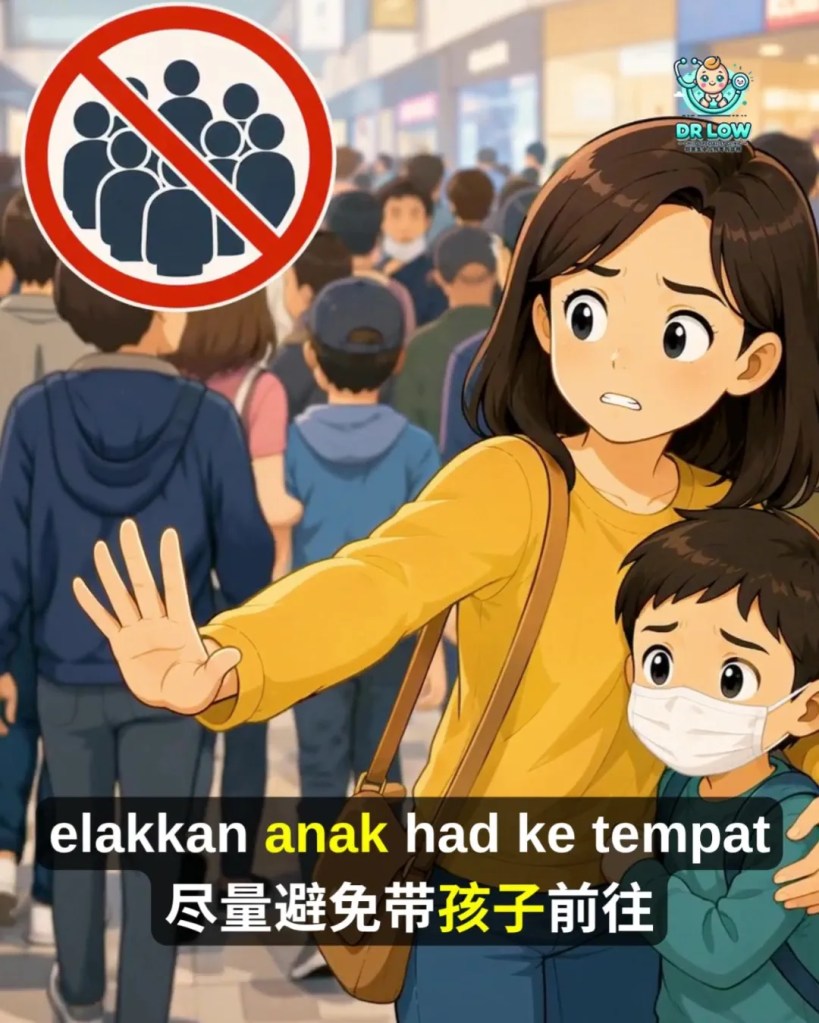
4. Avoid Crowded Places
Young babies have immature immune systems.
Whenever possible, avoid bringing newborns to crowded places such as:
- Shopping malls
- Large family gatherings
- Festivals
- Indoor playgrounds
- Busy public events
Reducing unnecessary exposure can lower the risk of infection.
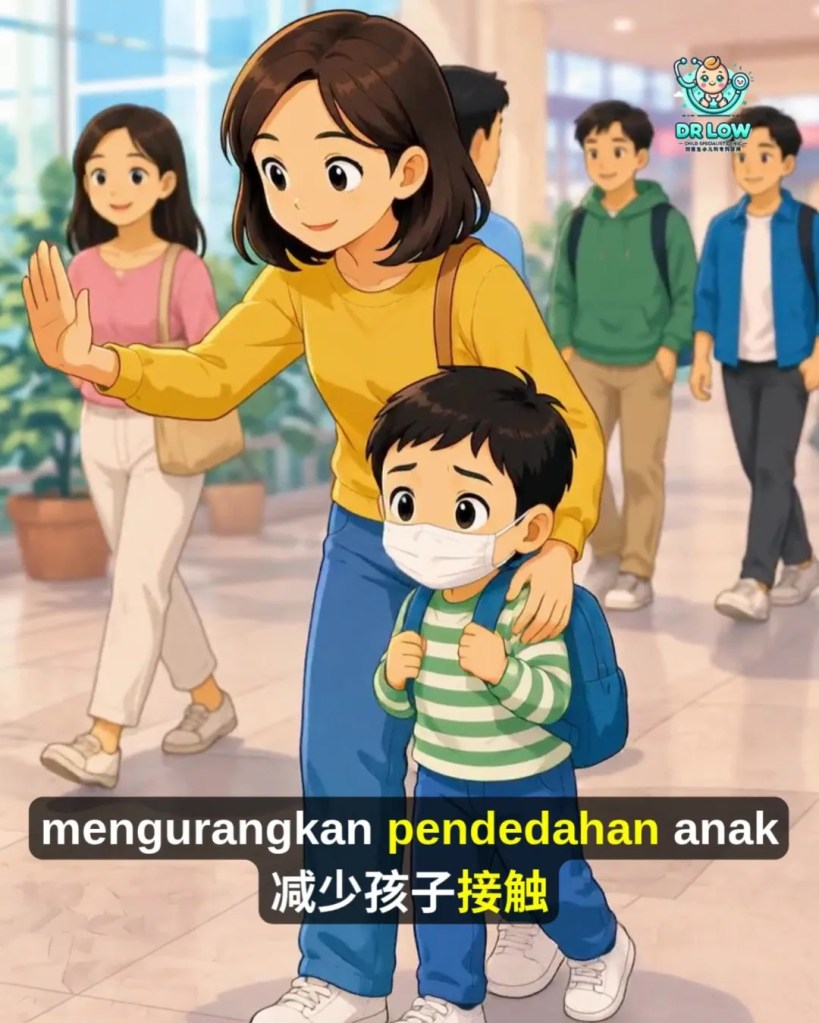
5. Limit Contact with Sick Individuals
If someone in the household develops respiratory symptoms, they should:
- Wash hands frequently
- Wear a mask
- Avoid sharing utensils
- Minimise close contact with the baby until they recover
6. Clean Frequently Touched Surfaces
Regular cleaning helps reduce viral transmission.
Remember to disinfect:
- Toys
- Feeding equipment
- High chairs
- Door handles
- Mobile phones
- Tablet devices
- Tables
- Frequently touched household surfaces
7. Ensure Good Ventilation
Fresh air helps reduce the concentration of respiratory viruses indoors.
Simple measures include:
- Opening windows
- Improving airflow
- Avoiding poorly ventilated crowded rooms whenever possible
RSV Vaccines and New Preventive Options
Medical advances have led to important developments in RSV prevention.
Today, there are preventive options available in some countries that can significantly reduce the risk of severe RSV disease in vulnerable infants.
These include:
- Maternal RSV vaccination during pregnancy
- Long-acting monoclonal antibody protection for infants
- RSV vaccines for selected older adults
These preventive strategies are designed to protect those at the highest risk of severe illness.
However, recommendations differ between countries and depend on:
- Age
- Medical history
- Pregnancy status
- Underlying medical conditions
- National healthcare guidelines
Parents should discuss RSV prevention with their paediatrician to determine whether any preventive options are appropriate for their child.
In my next educational video, I will explain:
- What is the RSV vaccine?
- Who should receive RSV protection?
- What preventive options are currently available in Malaysia?
- Frequently asked questions from parents about RSV vaccination.
Stay tuned.
Caring for a Child with RSV at Home
If your child has been diagnosed with mild RSV infection and is well enough to recover at home, these practical measures may help.
Encourage Adequate Fluid Intake
Offer fluids regularly.
For infants, continue breastfeeding or formula feeding as tolerated.
Small, frequent feeds are often easier than larger feeds.
Keep the Nose Clear
Babies breathe mainly through their noses.
Gentle nasal saline drops and suction (when appropriate) may help improve feeding and comfort.
Allow Plenty of Rest
Children recovering from RSV usually become tired more easily.
Adequate sleep allows the body to fight the infection more effectively.
Monitor Breathing Closely
Observe your child’s breathing regularly.
Seek medical attention if breathing becomes:
- Faster
- More difficult
- Noisy
- Laboured
Do not wait until your child appears severely distressed.
Use Medicines Only as Advised
Fever medications may be recommended when appropriate.
Avoid giving antibiotics unless prescribed by a doctor.
Likewise, avoid over-the-counter cough medicines for young children unless specifically recommended by your healthcare professional.
Key Takeaways
RSV is one of the most common respiratory viruses affecting infants and young children.
While most children recover fully with supportive care, some babies—particularly newborns, premature infants, and children with underlying heart or lung conditions—may develop serious complications requiring hospital treatment.
Parents should become familiar with the warning signs, including:
- Fast breathing
- Chest retractions
- Blue lips
- Poor feeding
- Extreme sleepiness
- Worsening breathing difficulty
Early recognition and prompt medical assessment can significantly improve outcomes.
Simple preventive measures such as good hand hygiene, wearing a face mask when unwell, avoiding contact with sick individuals, maintaining a clean environment, and discussing available RSV preventive options with your child’s doctor can all help reduce the risk of severe infection.
By staying informed and acting early, parents play an important role in protecting their children’s respiratory health.
 FAQ
FAQFrequently Asked Questions (FAQ)
Get quick answers to common questions about RSV infection to help protect your child’s health.
Respiratory Syncytial Virus (RSV) is a common virus that infects the respiratory tract. It can affect people of all ages but is particularly common in babies and young children.
Most children develop mild cold-like symptoms, but some infants can become seriously ill with bronchiolitis or pneumonia.
It can be.
For older children and healthy adults, RSV often causes symptoms similar to a common cold.
However, in newborns, premature babies, and children with certain medical conditions, RSV may lead to severe breathing problems that require hospital treatment.
TidYes.
RSV spreads very easily through:
- Coughing
- Sneezing
- Respiratory droplets
- Direct contact
- Contaminated surfaces
This is why outbreaks commonly occur in childcare centres, nurseries, schools, and households.
Yes.
Healthy adults usually develop only mild symptoms, making it easy to mistake RSV for a common cold.
Unfortunately, infected adults can unknowingly spread the virus to vulnerable babies and older adults.
Yes.
Previous infection does not provide lifelong immunity.
Children and adults can become infected multiple times throughout their lives.
Fortunately, repeat infections are often milder than the first infection, although severe illness can still occur in high-risk individuals.
No.
Some children have:
- Runny nose
- Cough
- Nasal congestion
without developing any fever.
Therefore, the absence of fever does not rule out RSV infection.
No.
Most children recover safely at home with supportive care.
Hospital admission is usually considered if the child develops:
- Difficulty breathing
- Low oxygen levels
- Poor feeding
- Dehydration
- Severe lethargy
No.
RSV is caused by a virus.
Antibiotics only treat bacterial infections.
They are prescribed only if a child develops a bacterial infection in addition to RSV.
Yes.
RSV may spread into the lungs and cause viral pneumonia, particularly in:
- Babies younger than six months
- Premature infants
- Children with congenital heart disease
- Children with chronic lung disease
- Individuals with weakened immune systems
Most children recover within one to two weeks.
However, coughing may continue for several weeks in some children even after the infection has resolved.
Recent medical advances have introduced RSV vaccines and long-acting monoclonal antibodies for selected groups.
Depending on local recommendations, protection may be available for:
- Pregnant women
- Newborn babies
- High-risk infants
- Older adults
Parents should consult their paediatrician regarding the latest RSV preventive options available in Malaysia.
Seek immediate medical attention if your child develops:
- Fast or difficult breathing
- Chest retractions
- Blue lips or bluish skin
- Poor feeding
- Extreme sleepiness
- Difficulty waking up
- Worsening breathing despite home care
Prompt medical assessment can significantly reduce the risk of serious complications.
RSV is?
RSV is one of the most common viral respiratory infections affecting infants and young children.
Although many children experience only mild symptoms, RSV can become life-threatening for newborns and other high-risk children if breathing difficulties develop.
The most important message for parents is not to panic—but to recognise the warning signs early.
Early assessment allows doctors to determine the severity of the illness and provide appropriate treatment before complications become more serious.
Simple preventive measures such as frequent hand washing, avoiding close contact with sick individuals, wearing a face mask when unwell, maintaining good hygiene, and discussing appropriate RSV preventive options with your child’s doctor can make a meaningful difference.
Every child deserves the best opportunity to grow up healthy, and informed parents are one of the strongest lines of defence against serious childhood illnesses.
Join the Conversation
We would love to hear from you.
💬 Has your child ever been diagnosed with RSV?
💬 What symptoms worried you the most?
💬 What questions would you like a paediatrician to answer about RSV?
Share your experience in the comments below. Your story may help reassure and educate other parents facing similar situations.
If you found this article helpful, consider sharing it with your family and friends so that more parents can recognise the early signs of RSV and know when to seek medical attention.
Follow Dr Low Child Specialist Clinic Batu Pahat for more evidence-based child health education covering newborn care, childhood infections, vaccinations, growth, nutrition, allergies, asthma, and child development.
In our next article and video, we will discuss:
“RSV Vaccine in Malaysia: Who Should Receive It, How It Works, and What Parents Need to Know.”
#RSV #RespiratorySyncytialVirus #RSVMalaysia #BabyHealth #ChildHealth #Paediatrician #PaediatricHealth #InfantCare #Bronchiolitis #Pneumonia #ParentingMalaysia #ChildSpecialistBatuPahat #ChildSpecialistClinicBatuPahat #ChildClinicBatuPahat #ChildDoctorBatuPahat #ChildDoctorNearMe #DrLowHanNee #DrLowChildSpecialistClinic #BatuPahat #Johor #Malaysia